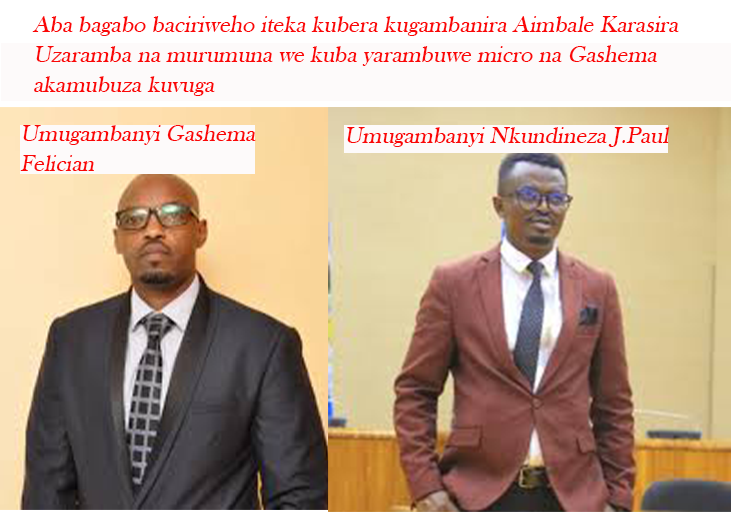
Ubugambanyi bwa Jean Paul Nkundineza na Lawyer Gashema Felician bakoreye Aimable Karasira na murumuna we nibyo bitumye bacirwaho iteka!!!
The rhema word comes from heaven unto me, and told me that man of Living God of heaven, start to condemned Journalist Jean Paul Nkundineza obtained N° 338/0006/0016 thus is heaven judiciary decision. The rhema word More »

Amarembo y’ubwami bw’Uwiteka Imana Nyiringabo muri gakondo ya bakiranutsi azahora akinguye iteka ryose!!!
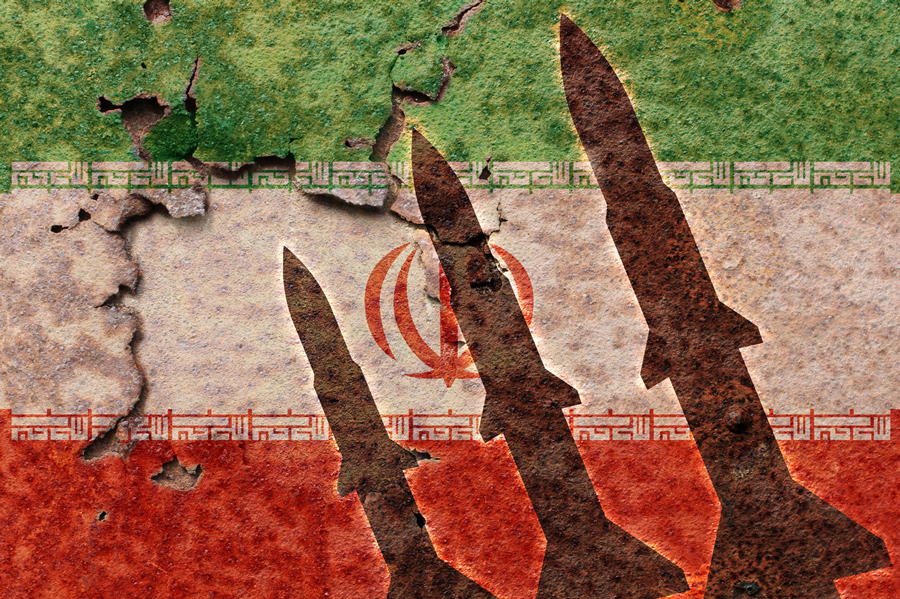
Aug 3, 2016 Ijambo ry’Uhoraho Uwiteka Imana Nyiringabo rikomeza kunzaho cyane, maze rirambwira riti, mwana w’umuntu, ubwire ingoma y’abega uti, murimo kugura intwaro nyinshi cyane zikomeye, mwibwira bizabamarira, ariko ayo magare yanyu, More »
Inkozi zikibi zasabye Paul Kagame kuba aretse gutanga ubutegetsi ngo babanze bigeragereze barebe ko bahitana Umwami Kigeli Ndoli!!!
May 16, 2026 Inama yakozwe uyumunsi ikorewe mu murwa mukuru w’ u Rwanda Kigali, yemeje ko bagiye gufungura umunyepolitike Ingabire Victoire Umuhoza warufungiye akamama, tukaba dusaba ko Leya ya Kigali iyobowe na More »
Finish the Job
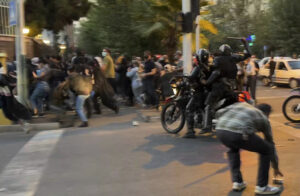
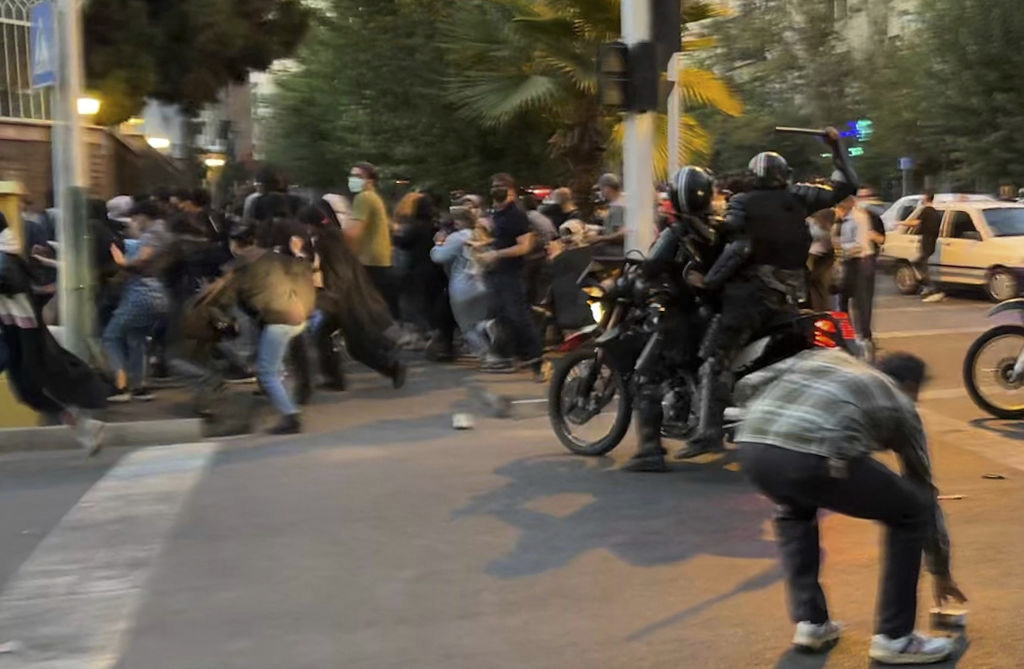
In 1979, 1999, 2009, 2017-2018, 2019, 2022, late 2025 and early 2026, the Iranian people rose up in massive nationwide protests against economic collapse, repression, and governance failures. Each time, the regime More »
UN Gives Palestinians Flags, But No Democracy by Khaled Abu Toameh
-
The vote in favor of hoisting the flag is not going to bring democracy, freedom of expression and transparency to the Palestinians.
-
-
The vote at the UN concerning the Palestinian flag came amid increased human rights violations by both the Palestinian Authority (PA) and Hamas. But since when does the UN care about human rights violations committed by the PA and Hamas against their own people?
-
Who cares if Hamas arrests Fatah voters and candidates as long as a Palestinian flag is raised in front of the UN? The UN considers raising a Palestinian flag more important than demanding an end to human rights violations by the PA and Hamas. No UN member states bothered to denounce the Hamas crackdown and the obstruction of the Fatah election.
-
The countries that voted in favor of the motion do not really care about the needs and interests of the Palestinians. The vote was mainly directed against Israel — to taunt Israel rather than help the Palestinians move closer towards building an independent state.
-
A Palestinian living in the West Bank or Gaza Strip does not really care if his flag is flown in front of a UN building. For Palestinians in the Gaza Strip, there are more urgent matters such as the harsh economic conditions and the repressive measures of the Hamas regime.
-
Hamas wants the world to continue believing that the Palestinians are still unable to rebuild their homes because of Israeli “restrictions” and lack of international funds. That is why the journalists who tried to cover the removal of the debris were physically assaulted and detained for interrogation.
-
The situation under the PA in the West Bank is not any better with regards to human rights violations. Almost every day, PA security forces arrest several Palestinians and hold them without trial.
Last week, the United Nations General Assembly voted in favor of a motion allowing the Palestinian flag to be flown in front of the UN buildings.
The Palestinian Authority (PA) leadership and various “pro-Palestinian” groups have hailed the vote as a “symbolic victory” for the Palestinians. The Palestinian representative to the UN, Riyad Mansour, said that the vote regarding the flag would be “another step” towards solidifying Palestinian statehood.
The 119 UN member states that voted in favor of the motion are apparently convinced that this is a “big victory” for the Palestinians and their political aspirations. But what these countries do not know is that flying a Palestinian flag outside UN buildings is probably the last thing Palestinians need at this stage.
The vote in favor of hoisting the flag is not going to bring democracy, freedom of expression and transparency to Palestinians. The Palestinians do not need “symbolic victories” such as the one concerning the Palestinian flag.
A Palestinian living in the West Bank or Gaza Strip does not really care if his flag is flown in front of a UN building. For Palestinians in the Gaza Strip, there are more urgent matters that need to be dealt with immediately, such as the harsh economic conditions and the repressive measures of the Hamas regime. For those living in the West Bank, economic development, employment and democracy are more important than any flag raised in front of the UN headquarters.
But the countries that voted in favor of the motion do not really care about the needs and interests of the Palestinians. They do not care if the Palestinian Authority and Hamas in the West Bank and Gaza Strip respectively are functioning as repressive and corrupt regimes that have no respect for human rights or public freedoms.
The vote was mainly directed against Israel. Its main goal was to taunt Israel rather than help the Palestinians move closer towards building an independent state.
The vote at the UN concerning the Palestinian flag came amid increased human rights violations by both the PA and Hamas. But since when does the UN care about human rights violations committed by the PA and Hamas against their own people?
The UN state members that voted in favor of raising the flag pay attention to human rights violations in the West Bank and Gaza Strip only when there is a way to lay the blame on Israel.
In recent weeks, Palestinians in the West Bank and Gaza Strip have reported a number of incidents that demonstrate how the Palestinian Authority and Hamas continue to show complete disregard for due process, human rights and freedom of expression. These incidents continued even as the 119 UN members raised their hands in favor of the hoisting of the Palestinian flag.
In the Gaza Strip, for example, Hamas security officers beat and detained a number of local journalists who tried to cover the removal of debris from homes that were destroyed during last year’s military confrontation between Hamas and Israel.
One of the journalists, Fadel al-Hamami, was hit in the face with the butt of a rifle and had to rush to a hospital for treatment.
Hamas does not want journalists to cover any reconstruction work in the Gaza Strip. It wants the world to continue believing that the Palestinians are still unable to rebuild their houses because of Israeli “restrictions” and lack of international funds.
That is why the journalists who tried to cover the removal of the debris were physically assaulted and detained for interrogation.
The UN General Assembly, of course, did not hear about this incident when its members voted in favor of raising the Palestinian flag outside its buildings. Even if the UN does hear about it, it is unlikely that the General Assembly or the Security Council would ever issue a statement condemning the assault on representatives of the media.
Nor is the UN going to condemn Hamas’s use of force to disperse Palestinians protesting against power cuts in the southern Gaza Strip. The lack of electricity has triggered widespread protests throughout the Gaza Strip, where many Palestinians hold the Hamas government fully responsible. Eyewitnesses said Hamas policemen used live ammunition and clubs to disperse the protesters.
Last week, Hamas arrested 30 Fatah activists in the Gaza Strip as part of its crackdown of supporters of Palestinian Authority President Mahmoud Abbas. The arrests came as Fatah was holding internal elections for its leaders in the southern Gaza Strip. The detainees later went on a hunger strike in the Hamas prison. This incident also coincided with the UN vote concerning the flag. However, none of the UN state members bothered to denounce the Hamas crackdown and obstruction of the Fatah election. Who cares if Hamas arrests Fatah voters and candidates as long as a Palestinian flag is raised in front of UN buildings?
In the past two weeks, Hamas security officers in the Gaza Strip arrested a journalist and political activist whose only crime was that they dared to criticize Hamas. The journalist, Shadi Shaheen, works for an Arabic Gulf newspaper. Hamas confiscated his computer and camera.
The political activist, Mohamed Abu Mahadi, is known for his outspoken criticism of both Hamas and the Palestinian Authority. He was detained by Hamas policemen as he was visiting his brother in Shifa Hospital in Gaza City. Abu Mahadi was released after interrogation.
The situation under the Palestinian Authority in the West Bank is not any better with regards to human rights violations. Almost every day, PA security forces arrest several Palestinians and hold them without trial.
Last week, the PA issued a directive banning its security personnel from criticizing the Palestinian leadership on social media.
The ban came as PA security officers detained a Palestinian from the West Bank city of Tulkarem who criticized PA Prime Minister Rami Hamdallah on Facebook. The man was identified as Abdullah Nash’at Sayed.
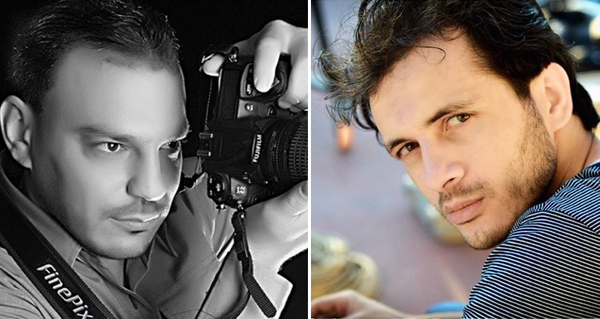
Journalist Shadi Shaheen (left) was recently arrested in Gaza, because he criticized Hamas. Abdullah Nash’at Sayed (right) was detained by Palestinian Authority security officers, because he criticized PA Prime Minister Rami Hamdallah on Facebook. |
Sayed is not the first Palestinian to land in prison for posting critical remarks on Facebook against Palestinian leaders. More than 14 Palestinians have been arrested or summoned for interrogation in the West Bank over the past three years for their activities on social media.
Still, the UN and other international organizations are not interested in holding a debate about these assaults on human rights and freedom of expression.
These organizations are more interested in provoking and condemning Israel than helping the Palestinians build democracy and proper transparent institutions. That is why the UN considers raising a Palestinian flag more important than demanding an end to human rights violations by the Palestinian Authority and Hamas. With such an attitude at the UN, the Palestinians will eventually get their own flag flown outside those buildings. But they will also end up with a state that has no respect for human rights — all thanks to the indifference and corruption of the UN and other international bodies.
UN accused of flip-flopping as it promises free passage for rebel delegation Sanctions imposed by the UN Security Council on groups opposed to President Joseph Kabange Kabila threaten to scuttle on-going peace talks in Kampala and lead to renewed fighting
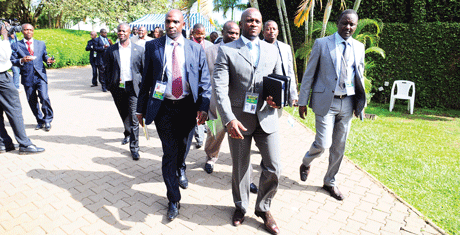
Sanctions imposed by the UN Security Council on groups opposed to President Joseph Kabange Kabila threaten to scuttle on-going peace talks in Kampala and lead to renewed fighting in eastern DR Congo.
The UN on December 31, 2012 imposed sanctions on M23 commander, Lt. Col. Eric Badege and Jean-Marie Lugerero Runiga, the president of M23 accusing them of targeting children and women in situations of armed conflict.
Runiga has been a central figure in the talks and met with President Kabila on November 24, 2012 in Kampala under the aegis of the International Conference on the Great Lakes Region (ICGLR).
The UN has also imposed sanction on the Democratic Forces for the liberation of Rwanda (FDLR) and M23 for allegedly targeting women and children for killing, sexual crimes, and forced displacement.
Uganda’s Defence Minister, Dr Crispus Kiyonga, who is the Facilitator of peace talks between the DR Congo government and the M23 rebels at the Munyonyo Resort on the shores of Lake Victoria in Kampala, is unhappy about the sanctions which he calls “disruptive”.
Bertrand Bisimwa, the M23 spokesman is also unhappy about the UN sanctions.
“We cannot understand why the UN would want to get people fighting; people who are talking because what these sanctions have done is break our hearts and encourage the DRC government to go back to war,” Bisimwa told The Independent on Jan. 12.
Kiyonga, Bisimwa and others are unsure about the UN’s motives in imposing the sanctions. Bisimwa says an asset freeze and a travel ban that the UN Security Council imposed on M23 as a group and their chairman, Runiga, has got many wondering how it takes forward the efforts to restore peace in eastern Congo.
“We are shocked to see the UN twisting the arms of the ICGLR leaders and attempting to fail them from bringing peace to Congo,” Bisimwa says.

UN versus regional leaders
For some observers, the clearest sign of the contestation for supremacy in DRC between regional leaders and the UN was the move by the UN to bundle M23 in the same boat as the Forces Democratiques De Liberation Du Rwanda (FDLR), a group that Rwanda accuses of being behind the 1994 Genocide. Essentially, the UN was saying that M23 is as illegitimate as FDLR and therefore those that seek to fight FDLR, like Rwanda, should view M23 through the same lens. Such a move, observers say, reverses progress made by regional presidents in Kampala in November under the ICGLR summit. It is a contradiction of what the regional presidents agreed and what the UN itself welcomed at the time; recognition of M23 and agreement to address its grievances through talks.
The UN appears to be undermining the ICGLR, which is an inter–governmental organisation established in 2006 by the heads of 11 states under the auspices of the United Nations and the African Union. ICGLR members include Angola, Burundi, CAR, DRC, Republic of Congo, Kenya, Rwanda, Sudan, Uganda, Tanzania, and Zambia.
When asked whether the sanctions might be as a result of a contestation between the regional leaders and the international community over who is more influential in Congo, Henry Okello Oryem, the state minister for Foreign Affairs was diplomatic.
“We are not ruling out anything,” he said.
Fighting in the region escalated last year after the U.S. leveled sanctions against Col. Sultan Makenga, the military head of M23, accusing him of “extensive atrocities against the population in the DRC, including the recruitment of child soldiers”. It was as if the imposition of sanctions was a signal to the rebels to double their energies as they took over eastern Congo like a wild fire.
This time M23 Spokesperson Bisimwa says Congolese are “tired of war and we are tired of sanctions that break the process of peace”. “All we are looking for is peace,” he says, “We want Congo to be secure and we want a vision for our country and our prayer is that the UN does not stand in our way.”
Bisimwa says unfortunately, the international community seems to have other interests.
“We have appealed to the international community to come and find out the truth but they keep using the wrong information, what does that say?” Bisimwa asked, “Because, if they [UN] came on the ground they would realise that none of what they say is true.”
The UN panel of experts appears to depend mainly on news clips from European newspapers like LA Figaro and The Guardian.
Bisimwa wondered what observers of the peace negotiations in Kampala from Belguim, France, US, UK among others report to the UN considering its recent sanctions. “When we are negotiating,” Bisimwa said, “these observers are always there with us, what do they report to the UN if it does not realise that we are involved in seeking peace?”
Eastern Congo has been ripped by war ever since rebels that call themselves M23 mutinied from the Congolese army protesting failure by President Kabila’s government to honour the March 23 2009 agreement from which they derive their name.
The UN, which has come under fire for failing to restore peace in the eastern DRC, blames neighbours Rwanda and Uganda of frustrating its efforts by allegedly aiding the M23 militarily and with logistics to fight the forces of President Kabila.
Late last November, when the rebel took over Goma the capital of northern Kivu, the UN came under pressure to withdraw the 17,000-strong MUNUSCO (United Nations Organization Stabilization Mission in the DR Congo) force. Critics wondered what MUNUSCO was doing in eastern Congo if just a months-old ragtag rebel group of fewer than 15000 fighters could take over the region in a matter of days under their watch. Several Congolese including university students called for the MUNUSCO force to quit Congo.
According to some of observers, the UN sanctions are a sign of the international community decision to offload their frustration onto the rebels and show who-is-boss to the regional players.
These sanctions follow several media and the UN group of experts report alleging that Rwanda directly supported the rebels. Although Rwanda refuted the report in a systematic rebuttal, the UN never dropped it. Similar accusations on Uganda were ignored when the country threatened to withdraw its peace-keeping missions across the region.
At the height of the M23 onslaught on Goma, regional leaders, specifically President Museveni and Rwanda’s Paul Kagame said the UN should give them the US$1.5 billion spent on its peace-keeping force, MUNUSCO, and they would end rebellion in Congo since the UN had failed. The UN response was clear: MUNUSCO was going nowhere. Instead, in the latest we-are-here-for-the-long-haul signal from the UN was an announcement to deploy drones for intelligence gathering to make MUNUSCO more effective.
Rwanda expressed its disagreement right away and Uganda is expected to follow according to Minister Oryem.
“Uganda will also refuse the drones,” Oryem told The Independent, “Because they are not limited, they can detect miles away, so if they are on the DRC-Ugandan boarder, they can see things in Uganda and therefore intrude on our privacy and the UN has not endorsed the use of drones, there are no policies on the use of drones.”
UN flip-flop
Kiyonga says he has consulted the UN and USA over the sanctions and that his understanding is that the sanctions do not affect the dialogue.
“The two parties [UN and USA] assured us that for as long as no member of the delegation has been sanctioned (which is the case for now),” Kiyonga said, “they supported the dialogue.”
He added that in case they need one of the sanctioned members to take part in the negotiations, the UN and USA had still agreed that they would grant them an exemption for the member to travel and attend the talks.
Kiyonga has also announced the agenda for the peace talks which includes reviewing the peace agreement of 23 March 2009, security matters, social, political and economic matters and mechanisms for the implementation-monitoring and evaluation of the Kampala Agreement.
To him, the UN sanctions were a result of “incoordination and differences of opinion”.
“For us as Uganda and the region we follow the four points in this order; peace first, reconciliation, democracy and justice but some people in the international community put justice first, we have agreed to disagree on that.”
Junior minister Oryem had earlier told The Independent that the sanctions are against the principal of reconciliation.
“We are saying that let us talk but by blocking the talks you are creating room for fighting,” he said.
Other sources privy to the diplomatic maneuvering surrounding the UN sanctions told The Independent that the M23 rebels also pulled the rug under the DRC government by announcing a unilateral cease-fire.
“It took away any pretext for DRC to pull out of talks,” the source said. The rebels had earlier at a press conference in Bunagana on Jan.3 threatened to pull out of talks if Kinshasa refused to sign cease-fire
But the Defence Ministry spokesperson, Lt. Col. Paddy Ankunda, who works closely with the facilitator says that the “two teams have no option, without peace, they are both losers”.
Since weaker forces than M23 pillage Congo and maintain a steady supply of arms—including from MUNUSCO forces in exchange for minerals—despite UN sanctions and arms embargoes as old as 2003, it is not clear how the UN would deal with a strong rebel group like M23.
Since April last year when they mutinied, M23 have captured large swathes of mineral rich eastern Congo including its capital Goma, from which they exited following calls by the regional presidents, who were pressed by the international community, with a previously defiant Kabila agreeing to talks with them.
UN Secretary General Ban Ki-moon had personally telephoned President Museveni to reign in the rebels. Similar contact was made with Rwanda’s Paul Kagame. Following a presidential summit, Kabila agreed to talks and the international community assured the regional presidents that they were in full support of the talks.
But in order to get the rebels to talk, the presidents including Kabila agreed to look into the M23 grievances and the group was elevated to an equal player in the peace process. However, as they were returning to resume the talks that began in December 2011, the Security Council announced the sanctions which have opened up the likelihood of a resumption of fighting.
“The UN knows that we come here (Kampala) to seek peace, so by blocking us from travelling, then they are calling for war to resume,” says M23 spokesman Bertrand Bisimwa.
Umwuka w’Uwiteka uzabatera usubiranamo.
Umwuka w’Uwiteka uzabatera usubiranamo.
Nk’uko mubuhanuzi igice cya mbere kugeza ku cya gatatu 1-3 havuga yuko Uwiteka Imana yo mu ijuru azamanura umwuka wokutumvikana hagati yabicaye ku ntebe ya leta ya FPR,ibi rero bikaba bikomeje gusohora buhoro buhoro,ariko noneho ubanza bitangiye kwihuta kubera ko,igihe kigeze ngo ibyavuzwe nabahanuzi bisohore.
Nk’uko mubuhanuzi igice cya mbere kugeza ku cya gatatu 1-3 havuga yuko Uwiteka Imana yo
mu ijuru azamanura umwuka wokutumvikana hagati yabicaye ku ntebe ya leta ya FPR,ibi rero bikaba bikomeje gusohora buhoro buhoro,ariko noneho ubanza bitangiye kwihuta kubera ko,igihe kigeze ngo ibyavuzwe nabahanuzi bisohore.

Gen.Rusagara amaze gutabwa muriyombi,hakurikiyeho David Kabuye wabaye umuyobozi w’ikinyamakuru cya ‘The new times’uyu mu CPT.David gushwana na FPR,byatangiye mbere s’ibya none,akimara kugirwa umuyobozi w’ikinyamakuru cya leta ya FPR,yatanze isoko ryo gukora ibijyanye n’ikoranabuhanga mu biro bya The new times (LAN) Local Area Networking iryo soko yarihaye umugabo w’umunyaKenya witwa Paul warongoye murumuna wa Rossette Rugambwa witwa Denis wakoraga muri Serena Hotel nka HR human resource akaba yarahuriye na Paul umunyaKenya muri UK.
Uyu Paul bivugwa ko company ye yitwa Cristal Company ikaba yitirirwa amazina y’umwana wabo w’imfura witwa Cristal.Iryo soko ubundi ryagombaga guhabwa ibikomerezwa bya FPR,amakuru avuga yuko CPT.Kabuye David yirengagije nkana imikorere ya FPR,atanga isoko rya miriyoni mirongo 50 z’amanyarwanda aho nawe yakuyemo icya cumi cye.
Sibyo gusa muri zimwe mu mpamvu zikomeye twageregeje gushaka zigaragaza impamvu nyamukuru yo kutumvikana kwabanyagatsiko kishyize kubutegetsi batabikwiriye,andi makuru avuga yuko ubwo umukuru w’igihugu yteguraga urugendo rwo kujya mu gihugu cy’Ubudage,yabwiwe yuko naramuka azanye umwe mu bantu bari kuri mandant zasohoye na n’umucamanza w’umufaransa Brugeri ko bashobora gutabwa muriyombi.
Amakuru akomeza avuga ko,umukuru w’Abakagara yagishije inama mu gihugu cy’Abongereza icyo bari bafitanye umubano mwiza n’Urwanda kuko bashakaga ko,urwanda rwinjira muri common wealth kuko rwari rufite imbaraga ibihugu byinshi by’Africa byari bitara tahura ikinyoma cya FPR,bityo uRwanda barufataga nk’igihugu kibasha kuvuganira abanyafurika kuko icyo gihe kagame yari yikomye abazungu cyane kandi akabasha kuvugira africa muri rusange.
Ubwongereza bwamugiriye inama yuko,akwiye kujyana Rose Kabuye agafatwa,bityo hakamenyekana ibirego uRwanda rurengwa ku ihanurwa ry’indege y’uwahoze ayobora uRwanda Habyarimana.Rose yaragiye arafatwa Abadage bayoborwa ibyari byo cyane ko,bari baburiye kagame ko,naramuka azanye umwe mubakekwaho umugambi woguhanura Habyarimana ko,azafatwa,bahise bamuta muriyombi akigera mu gihugu cy’ubudage.
Yajyanywe mu gihugu cy’Ubufaransa uRwanda rukora imyigaragambyo itari mike,amakuru avuga yuko Col.Rose Kabuye ageze mu gihugu cy’Ubufaransa yeretswe film y’ukuntu bahanuye indege ya Habyarimana abura icyo avuga,biba ngombwa ko,amena amabanga yose kuko yabonaga ntacyo akwiye guhisha kuko byose byagiye kumugaragaro.
Yaje kurekurwa agarutse ikigali agirango yibire shebuja ibanga ry’ibyo yabonye,bituma shebuja amukuraho amabuko kubera nawe yarafite uburyo akorana n’inzego z’ubutasi za Musadi urwego rw’ubutasi bwo muri Israel,aya makuru ya Rose bayamuhaye babinyujije kuri perezida Sarkozy wayoboraga icyo gihe akaba nawe arumuyahudi wavukiye mu gihugu Spain aza gukurwa muri icyo gihugu inzego zubutasi za Israel zimaze kwirenza papa we umubyara kuko bashakaga umwana utazwi bazajyana mu gihugu cy’ubufaransa kugirango azabe umukuru w’igihugu bazabashe kumenya amabanga y’Ubufaransa n’ubufatanye bagiranye n’Ubudage mu ntambara y’Abanazi.
Iki cyabaye itego Abafaransa bahise batsinda Kagame bamenya ibyo btagombaga kumenye niyompamvu baca umugani ngo Inagabo y’ingore iragushora,ntigukura!Bivuga ngo umugore yagushyira mukibazo ariko ntabashe kucyigukuramo,ngiyo intangiriro nyamukuru yatandukanije abari bahujwe no kumena amaraso.Uhereye icyo gihe Rose Kabuye na David umutware we bahise bongera kwiyunga dore bari bamaze igihe badacana uwaka bongera kuba umugore n’umugabo.
Kugeza magingo aya,ntibizwi aho Rose aherereye,cyakora arahari nubwo atagaragara kuko aramutswe yarapfuye nk’uko yishe abandi,byari kuba byaramenyekanye kuko nuwendeye nyina mu nyenga yaramenyekanye.Kuba agatsiko rero kiyemeje kumarira ku icumu abanyiginya s’ibyanone kuko abanyiginya iyo babimenya kare bari kurebera kuri Gisa Fred Rwigema bari kumenya neza icyo ingoma y’Abega ihatse niba ari mweru cyangwa niba ari muhima.
Reka abamennye amaraso nabo ayabo ameneke bumve uko bemera kuko nta mwana n’ikinono,barebye akamanyu kumutsima none birangiye bakambuwe,reka twiringire yuko ibi byose birimo kuba aribihano by’Uwiteka kuko amaraso bamennye aracyarira asaba guhorerwa!.
Umwuka w’Uwiteka azabashuka,maze basohoze umugambi wanjye!.
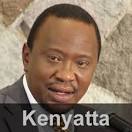
Nkuko byemejwe na ministiri w’Ingabo Gen.James kabarebe,ko,Urwanda ruri mu ntambara,iki,kibaye ikimenyetso gikomeye ku Rwanda n’abanyarwanda,bahakanaga ko,nta ntambara ihari mukarere k’ibiyaga bigari.Uku gusinyana amasezerano hagati ya Uganda ,Urwanda na Kenya,n’ikimenyetso si musiga yuko ibyavuzwe cyangwa byahanuwe bigiye gusohora!.
Amakuru agera ku nyangenews,aturutse mu Rwagasabo muri ministeri y’Ingabo,aremeza neza,yuko,Urwanda rwugarijwe n’intambara ikomeye kubera noneho,abayobozi bakuru b’Urwanda bakuneze guhakana ko nta ntambara iri mu Rwanda,ko,abanyarwanda bakwiye kurya bakaryama bagasinzira,ariko,nyamara birangiye Urwanda rusaba ubufatanye no gutabarana hagati y’Ibihugu bigize umuryango w’Africa y’Uburasira-zuba.
Igihugu cya Uganda,ntaho gitandukaniye n’Urwanda,kuko gifite abanzi benshi kandi perezida Museveni akaba yaranze gushyikirana nabo,nyamara uko iminsi igenda,ninako imbaraga ze,zigenda zirangira.Iyo ndwara yo kwanga gushyikirana nabo atavuga rumwe,ntiyagumye mu gihugu cya Uganda,ahubwo yambutse umupaka maze igera mu Rwanda,nyuma yuko FPR,isabye imishyikirano hagati yayo na MRND.
Ikiyongoyongo cyatambagiye ku nyanja,maze kibona agafi kagashashi cyanga kugafata ngo kikarye kuko cyari kigihaze,nyuma yaho inzara ikigezemo nko mu masaa sita,kibona akanyamunjonjorerwa cyirakasamira cyirakarya,nyamara ya myirato cyari gifite yoguhaga yarimaze kurangira,birashoboka rero ko,ubwo Urwanda rusabye,gutabarana hagati yibyo bihugu amazi ashobora kuba yamaze kurenga inkombe.

Igihugu cya Kenya,nubwo cyemera gutabarana,nacyo ntabwo kimerewe neza,kuko,ubu gihora cyikanga umunyapolitiki ukomeye muri icyo gihugu,witwa Raila Odinga,warumaze amezi arenga (2);mu gihugu cy’America,none ubu yaragarutse ari mugihugu kuburyo leta iriho iyobowe na Uhuru ihoro yikanga ko umwanya uwari wowose haba intambara iturutse kumyigaragambyo yabaturage barambiwe ubuzima bubi barimo kunyuramo.
Kenya ifite abanzi ba leta bari imbere mu gihugu,ariko ntabanzi ifite hanze y’igihugu,aho turavuga abene gihugu baba bari hanze y’igihugu baba bategura gutera igihugu,ikibazo cya Kenya kikaba gitandukanye gatoya n’icy’Urwanda na Uganda,usibye ko bose bahurira ku kibazo cy’uko bafite amadossier I LA HAYE mu gihugu cy’Ubuholande aho baregwa kuba barahonyoye uburenga nzira bwa muntu,ibyo akaba aribyo bibahuza kugirango barebe ko bagira akabaraga ngo kuko byavuzwe yuko abishyize hamwe nta kibananira.
Iyi mvugo,ubusanzwe ikora kubakiranutsi,cyangwa abantu bagambirira ibyiza ntawe bibangamiye,ariko ntabwo wavuga ko,abami (3);bishyize hamwe ngo bazatsinda kubera yuko bishyize hamwe,nyamara umwuka w’Uwiteka waramanutse wihindura umwuka w’ubuyobe kugirango babeshye abo bami uko ari (3);kugirango bazagendere kubuhanuzi kuko Uwiteka Imana yarazi neza yuko bafite abapfumu kandi ko,abo bapfumu bajya babona ibigiye kubaho.

Niyompamvu umwuka w’Uwiteka wamanutse ukabavangira ngo ibyahanuwe bibone gusohora maze Uwiteka abone uko ahorera Nabothi wari yarambuwe gakondo ye ,n’Umwami Ahabu,maze yicwa na Djezebel,ngayo ng’uko ibigiye kuba mubitege amaso,murabisanga mubuhanuzi aho abaimi (3);bazajya inama yogutera Umwami wo muburengera-zuba bibwira yuko bazatsinda,nyamara intambara bazayigwamo nkuko byahanuwe nabahanuzi.
1 Kings 22
New Living Translation (NLT)
Jehoshaphat and Ahab
22 For three years there was no war between Aram and Israel. 2 Then during the third year, King Jehoshaphat of Judah went to visit King Ahab of Israel. 3 During the visit, the king of Israel said to his officials, “Do you realize that the town of Ramoth-gilead belongs to us? And yet we’ve done nothing to recapture it from the king of Aram!”.

4 Then he turned to Jehoshaphat and asked, “Will you join me in battle to recover Ramoth-gilead?”
Jehoshaphat replied to the king of Israel, “Why, of course! You and I are as one. My troops are your troops, and my horses are your horses.” 5 Then Jehoshaphat added, “But first let’s find out what the Lord says.”
6 So the king of Israel summoned the prophets, about 400 of them, and asked them, “Should I go to war against Ramoth-gilead, or should I hold back?”
They all replied, “Yes, go right ahead! The Lord will give the king victory.”
7 But Jehoshaphat asked, “Is there not also a prophet of the Lord here? We should ask him the same question.”
8 The king of Israel replied to Jehoshaphat, “There is one more man who could consult the Lord for us, but I hate him. He never prophesies anything but trouble for me! His name is Micaiah son of Imlah.”
Jehoshaphat replied, “That’s not the way a king should talk! Let’s hear what he has to say.”
9 So the king of Israel called one of his officials and said, “Quick! Bring Micaiah son of Imlah.”
Micaiah Prophesies against Ahab.

10 King Ahab of Israel and King Jehoshaphat of Judah, dressed in their royal robes, were sitting on thrones at the threshing floor near the gate of Samaria. All of Ahab’s prophets were prophesying there in front of them. 11 One of them, Zedekiah son of Kenaanah, made some iron horns and proclaimed, “This is what the Lord says: With these horns you will gore the Arameans to death!”
12 All the other prophets agreed. “Yes,” they said, “go up to Ramoth-gilead and be victorious, for the Lord will give the king victory!”
13 Meanwhile, the messenger who went to get Micaiah said to him, “Look, all the prophets are promising victory for the king. Be sure that you agree with them and promise success.”
14 But Micaiah replied, “As surely as the Lord lives, I will say only what the Lord tells me to say.”
15 When Micaiah arrived before the king, Ahab asked him, “Micaiah, should we go to war against Ramoth-gilead, or should we hold back?”
Micaiah replied sarcastically, “Yes, go up and be victorious, for the Lord will give the king victory!”
16 But the king replied sharply, “How many times must I demand that you speak only the truth to me when you speak for the Lord?”
17 Then Micaiah told him, “In a vision I saw all Israel scattered on the mountains, like sheep without a shepherd. And the Lord said, ‘Their master has been killed.[a] Send them home in peace.’”
18 “Didn’t I tell you?” the king of Israel exclaimed to Jehoshaphat. “He never prophesies anything but trouble for me.”
19 Then Micaiah continued, “Listen to what the Lord says! I saw the Lord sitting on his throne with all the armies of heaven around him, on his right and on his left. 20 And the Lord said, ‘Who can entice Ahab to go into battle against Ramoth-gilead so he can be killed?’
“There were many suggestions, 21 and finally a spirit approached the Lord and said, ‘I can do it!’
22 “‘How will you do this?’ the Lord asked.
“And the spirit replied, ‘I will go out and inspire all of Ahab’s prophets to speak lies.’
“‘You will succeed,’ said the Lord. ‘Go ahead and do it.’
23 “So you see, the Lord has put a lying spirit in the mouths of all your prophets. For the Lord has pronounced your doom.”
24 Then Zedekiah son of Kenaanah walked up to Micaiah and slapped him across the face. “Since when did the Spirit of the Lord leave me to speak to you?” he demanded.
25 And Micaiah replied, “You will find out soon enough when you are trying to hide in some secret room!”
26 “Arrest him!” the king of Israel ordered. “Take him back to Amon, the governor of the city, and to my son Joash. 27 Give them this order from the king: ‘Put this man in prison, and feed him nothing but bread and water until I return safely from the battle!’”
28 But Micaiah replied, “If you return safely, it will mean that the Lord has not spoken through me!” Then he added to those standing around, “Everyone mark my words!”
The Death of Ahab.
29 So King Ahab of Israel and King Jehoshaphat of Judah led their armies against Ramoth-gilead. 30 The king of Israel said to Jehoshaphat, “As we go into battle, I will disguise myself so no one will recognize me, but you wear your royal robes.” So the king of Israel disguised himself, and they went into battle.
31 Meanwhile, the king of Aram had issued these orders to his thirty-two chariot commanders: “Attack only the king of Israel. Don’t bother with anyone else!” 32 So when the Aramean chariot commanders saw Jehoshaphat in his royal robes, they went after him. “There is the king of Israel!” they shouted. But when Jehoshaphat called out, 33 the chariot commanders realized he was not the king of Israel, and they stopped chasing him.
34 An Aramean soldier, however, randomly shot an arrow at the Israelite troops and hit the king of Israel between the joints of his armor. “Turn the horses[b] and get me out of here!” Ahab groaned to the driver of his chariot. “I’m badly wounded!”
35 The battle raged all that day, and the king remained propped up in his chariot facing the Arameans. The blood from his wound ran down to the floor of his chariot, and as evening arrived he died. 36 Just as the sun was setting, the cry ran through his troops: “We’re done for! Run for your lives!”
37 So the king died, and his body was taken to Samaria and buried there. 38 Then his chariot was washed beside the pool of Samaria, and dogs came and licked his blood at the place where the prostitutes bathed,[c] just as the Lord had promised.
39 The rest of the events in Ahab’s reign and everything he did, including the story of the ivory palace and the towns he built, are recorded in The Book of the History of the Kings of Israel. 40 So Ahab died, and his son Ahaziah became the next king.
Umwiherero wa 11 war’uwo kwiyoberanya noguhisha imikorere mibi ikorwa na FPR,hagamijwe kwigwizaho imitungo bikitirirwa ibigo byigenga ko bikora nabi:
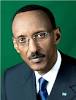
Nyuma yuko ikinyamakuru inyangenews gitangiriye iperereza kubijyanye nihomba rya BRD,twatahuye yuko ishyaka riri kubutegetsi rya FPR,nyuma yokubona ko igihe cyabo cyo kuba kubutegetsi gisa nigihumuje,batangiye umugambi woguhombya iyo bank.
Amakuru atugeraho avuga yuko ngo nyuma yuko abasirikare bakuru nabanyapolitike bibikomerezwa muri FPR,kagame yabemereye gufata inguzanyo zitazishurwa nyuma yaho Gen.Kayumba Nyamwasa ahungiye kugirango bakomeze gukunda igihugu bashingiye ku ngunzi bahawe bityo bakomeze gufasha kagame kurwanya abashaka kubutegetsi atazarimbuka wenyine.

Amakuru akomeje kutugeraho yaturutse muri uwo mwiherero wa 11,wabaye uyu mwaka yemezako BRD yahombye akaba ariyo mpamvu FPR yafashe icyemezo cyo guteza icyamunara iyo bank hitwaje ko umuyobozi wa FPR watanze inguzanyo z’ibiguzi zifasha gukunda igihugu bwana Kayonga ko yakoze nabi,ariko igitangaje ni uko ntabyemezo byafashwe ngo uwo muyobozi atange ibisobanuro kubijyanye nihomba ryicyo kigo.
Perezida kagame yarangije uwo mwiherero yemeje ko hatagomba kuvanga ibibazo,ahubwo ko buri umwe kugiti cye agomba kwisobanura,ariko abari muri uwo mwiherero bavuga ko kagame atavuganaga ubukare nk’uko asanzwe arakarira ababa bakoze ibyo aba atazi imikorere yabyo.
Perezida kagame iyo aza kuba akunda igihugu,aba yaragaruje intara z’Urwanda,zahawe ibindi bihugu bituranye n’Urwanda:
Nyuma yuko igihugu cy’Uburusiya kigaruriye igice cya Crimea,byatumye ntekereza impamvu Urwanda rumaze imyaka irenga makubiri 20,rurwana mu gihugu cya Congo akaba nta ni ntara nimwe rwagaruje ngo nibura abanyarwanda bazire ikintu kigaragara gifatika.
Ahubwo yagiye kwiba igihugu cya Congo ndetse yica nabanyagihugu bicyo gihugu atitaye ku ngaruka zizagera kubanyarwanda mu myaka iri mbere igihe azaba atakiri kubutegetsi!Ariko yirirwa avuga ngo abanyarwanda bagomba gukunda igihugu,baca umugani ngo amaboko y’imbokoboko tasabira inka igisigati.
Niki yakwereka abanyarwanda kijyanye n’umusaruro wavuye muri congo usibye guteza umwuka mubi hagati yabanyarwanda nabacongomani kugirango abanyarwanda batazabona aho bahungira ubutegetsi bwe bw’igitugu.Usibye imyangaro yateje abanyagihugu b’Urwanda niki kindi yavuga ko yamariye abanyarwanda!?
Amazu y’imiturirwa igaragara mu murwa mukuru w’Urwanda n’Abanyarwanda bangahe bafitemo amazu? Usibye agatsiko k’Abatutsi na n’Abahutu bibisambo bayoboye republika itemewe namategeko.
Ariko ndahamya yuko iyo ubwami buza kuba buriho,buba bwaragaruye igihugu cyacu cyakaswemo ibice bice nabazungu bababirigi mu buryo bunyuranije n’amategeko ajyanye n’imipaka yakaswe muri 1884 BERLIN CONFERENCE Tanzania yatwaye igice,Uganda itwara ikindi gice,Congo itwara igice kitari gito,n’Uburundi nabwo butwara igindi gice ngo ibyo byose byakorwaga mu rwego rwoguhima abanyarwanda bo mu bwoko bw’Abatutsi.
Iyo ikaba imwe mumpamvu ababirigi bahaye abanyarwanda bo mu bwoko bw’Abahutu ubutegetsi butemewe n’amategeko kugirango icyo kinyoma kitazashyirwa ahagaragara,Abatutsi bagarutse ku ngoma bagira ibyago bayoborwa n’umwakagara utarifuzaga ko ubwami bw’Urwanda bwagaruka,nibwo yatangiye guhimba uburyo yazamika ubwami bw’Abega nyuma yokwivugana abanyarwanda bose bashyigikiye ubwami bw’Urwanda.