China Attacked Meta, So Cut All Tech Links

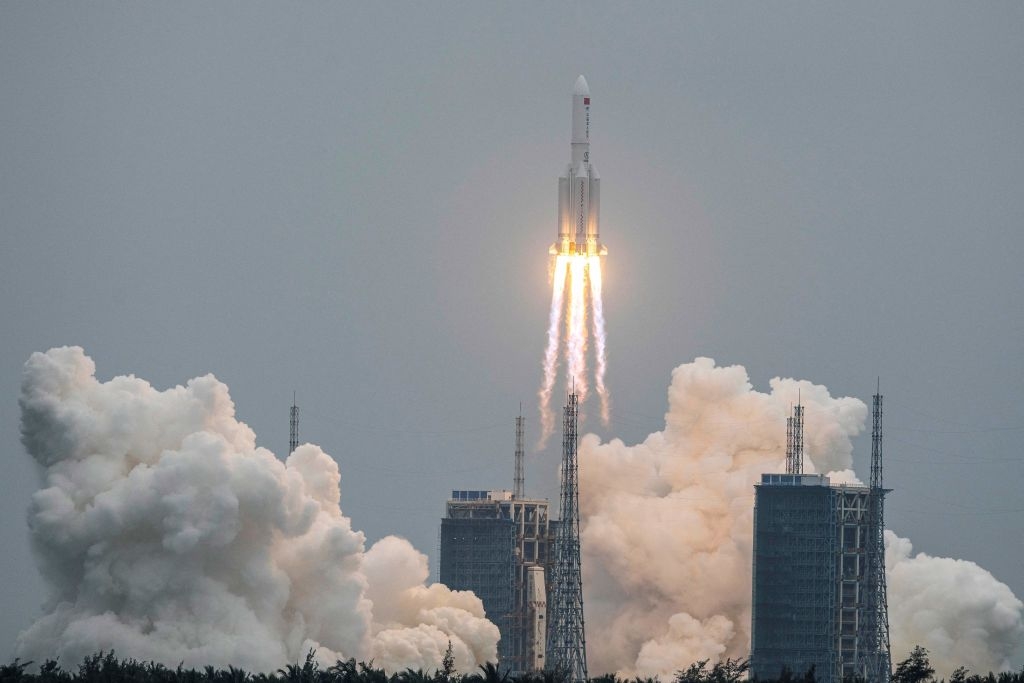
China Attacked Meta, So Cut All Tech Links

The Chinese regime’s protection of its AI businesses raises the issue of what America must now do to protect its tech. There are two things. First, America should mirror China’s actions…. Xi More »

Nimutampa ubutegetsi vuba murajyanwa mu butayu bugufiya kandi muzabuheramo!!!

Nimutampa ubutegetsi vuba murajyanwa mu butayu bugufiya kandi muzabuheramo!!!

Ndababwiza ukuli yuko Paul Kagame araza gusara mu gihe America ikomeje gufunga inzira zose zishoboka zirimo amayeri yo kurwana intambara muri DRCongo kugirango bafate ubutegetsi. Uwiteka Imana Nyiringabo yababwiye kurekura imfungwa zose More »

The World’s Shameful Silence on Hamas

The World’s Shameful Silence on Hamas

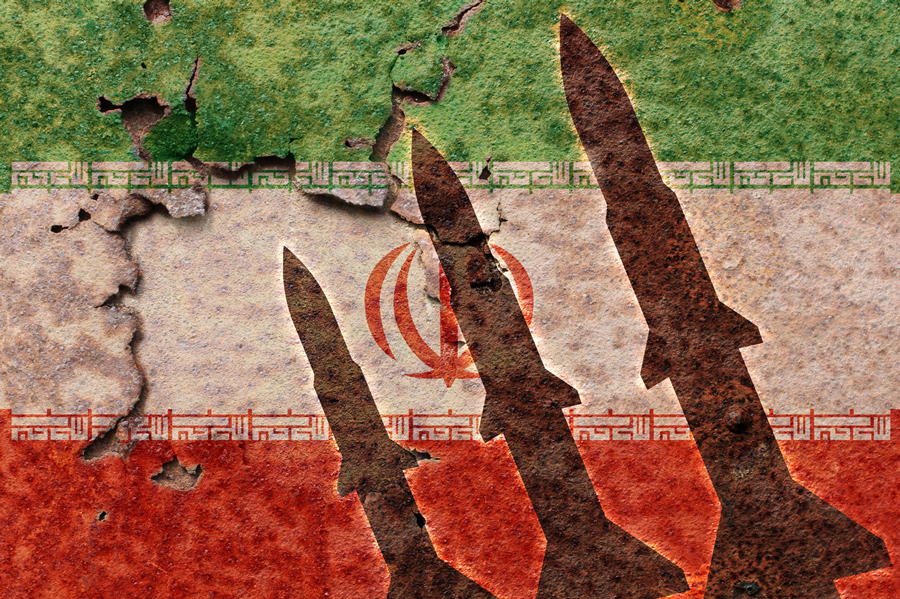
Six months after the ceasefire went into effect in the Gaza Strip, Hamas remains firmly in power. Despite international promises, diplomatic initiatives, and the much-publicized “Board of Peace,” the Iran-backed Islamist group More »

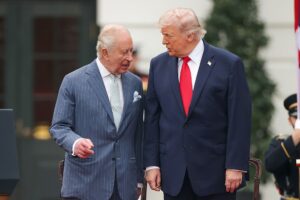
The Crown’s Moral Voice: King Charles in Washington and the Test of Western Clarity

The Crown’s Moral Voice: King Charles in Washington and the Test of Western Clarity

[P]arts of the West have become too cautious in naming the nature of the threats they face. The question is whether, at a time when the West is confronted by terrorism, tyranny, More »


Isi ntambabazi igira!

Fidele Niyongabo

17.01.2014


Intumwa idasanzwe ya  reta Amerika mu karere ka Afrika y’Ibiyaga binini, Russ Feingold, yarahimirije  inteko za ONU muri Congo, MONUSCO, gukora ibishoboka vyose kugira zituze umurwi w’abanyarwanda uri muri Congo FDLR,  ngo nk’uko babikoze ku murwi M23.


Twaraganiye na Docteur, Salomon Baravuga, aharanira uburenganzira bw’ikiremwa muntu, akaba kandi avugira abami bose bo muri Congo, uko yakiriye ako kamo.Yarashimye iyo ngingo y’intumwa isadanzwe ya Amerika, Russ Feingold.

  • Ko ntacyo bavuze ubwo nyakwidera karegeya yamburwa uburenganzira bwo kubaho?


Ku bindi dutege amatwi, Docteur, Salomon Baravuga:Ubanza aho ikibazo cy’Urwanda na Congo kitagifite igaruriro kuko Urwanda ntirushobora kwemera imishyikirano FDRL itarafata  nibura intara imwe,ibyo uyu muryango uvuga kubijyanye nikiremwa muntu,ko ntacyo wavuze ubwo Nyakwigendera Col.Karegeya yicwaga?bibaye ibyo iyi miryango yaba irobanura kubutoni.

Birashoboka yuko abanyarwanda amategeko arengera ubuzima bwabo atabareba,FDRL imaze imyaka 20 mu ishyamba,ko ntacyo babavugaho kandi bazi yuko nabo bagejeje ikibazo cyabo mu muryango wabibumbye kugez’ubu bakaba batarasubizwa?wa mugani reka tubitege amaso bishobora kuba bariye intononorano bityo bakigira banyirarureshwa.

ISEGA BAYIRAGIJE INTAMA:

Amakuru agera ku nyangenewss.com,aturuka mu mpunzi z’Abanyarwanda zibarizwa mu gihugu cya Kenya,aya makuru ikinyamakuru inyangenewss.com akaba ayafitiye gihamya.Aravuga yuko Chairman w’Impunzi mur’icyo gihugu bwana Uwayezu Emmanuel ko yaba akorera leta y’Urwanda binyuze muri ambasade y’Urwanda ikorera mu gihugu cya Kenya,mu murwa mukuru wa Nairbo. Nyuma yo kumva aya makuru,ikinyamakuru inyangenewss.com cyahuye na bwana Uwayezu Emmanuel,kuwa 06th ukuboza 2013,kimubaza kubyo bamuvugaho arabihakana,avuga yuko ar’ukumuharabika.


Ubwo ubwe kugiti cye nta wumushyizeho agahato yatangarije inyangenewss.com ko,afite amakuru afite gihamya yuko leta y’Urwanda yaba ifite umugambi wokwicha impunzi z’Abanyarwanda cyane cyanae abize nkuko mubisanga munyandiko yabanjirije iyingiyi yitwa:“How Nairobi City became Spy Headquarters”.

Nyuma yaho hakurikiyeho iyitwa”Urutonde rw’amatelephone ya za maneko zikorera leta y’Urwanda mu mahanga”.Kubera iyo mpamvu,ikinyamakuru inyangenewss cyakoze ubushakashatsi bituma cyongera kuvugana na chairman w’impunzi z’Abanyarwanda Uwayezu Emmanuel ku telephone ijyendanwa (Mobile) +254703484978 yabwiye ikinyamakuruinyangenewss ko,yahuye nibibazo byinshi ubwo yaramaze guhunga igihugu muri 1994,yahungiye IGOMA muri repubulika iharanira demokarasi ya congo,akaba yaraharwariye indwara yitwa imbasa bituma aremara,yaje kwurizwa indege ajya kuvurirwa mu gihugu cya Tanzania arakira,ahava ahungira mu gihugu cya Kenya. Yabaye mu nkambi z’Impunzi zhitwa KAKUMA,ahigira amashuri abanza,ahava ajya gukomereza amashuri ye,mu murwa mukuru wa Nairobi,yiga kaminuza muri uwo wa Nairobi,agira amahirwe aba umukuru w’impunzi z’Abanyarwanda bo mu bwoko bw’Abahutu bahungaga icyo gihe,nyuma yaho haza kwiyongeraho n’impunzi z’Abanyarwanda bo mu bwoko bw’Abatutsi batavuga rumwe na leta y’Ikigali. Aho niho leta ya FPR,yamushatse yemera kuzajyaimuhemba amashillingi ibihumbi 25000 Ksh,nkuko tubicyesha bamwe mubakorana nawe batashatse ko amazina yabo ashyirwa ahagaragara.bwana Uwayezu Emmanuel akaba ari muri komite mu bigo bishinzwe gufasha impunzi,aha twavuga nk’ikigo cyitwa (H.I.A.S)”Hebrews Imigrants Association Servise”amakuru dufite avuga ko ubu ari kwiga icyiciro cya (3) cya kaminuza MASTERS IN TELECOMUNICATION mu gihugu cya Kenya.

Bwana Uwayezu yakoze ibishoboka byose ngo yicishe umunyakamuru w’inyangenewss,nyuma yo kubona ko amwe mu mabanga yibyo akorera impunzi z’Abanyarwanda,amaze kujya hanze,yagiye ahamagara umunyamakuru w’inyangenewss,amusaba ko bahura akamuha andi makuru kugirango atangazwe,ariko bikaba bitar’ukuri ahubwo akaba yarashakaga ko bamushimuta nyuma yokohereza amwe mu makuru atashakaga kuduha,ariko kubwa mahirwe macye,atwohererza e-mail yamakuru atashakaga ko ajya hanze agaragaza imikorere ye na Ambasade y’Urwanda n’uburyo bagomba guhinga impunzi ziza muri cyo gihugu zikiri nshya bagahita bazihubanya zitaramenya icyo gihugu cya Kenya.

Nk’uko bigaragara muri iyi e-mail bohererzanyaga. Date: Wednesday, February 27, 2013, 1:32 AM Dear All Kindly note changes in RED on the attached List of the Following Contact Persons. Albert Ntore Ngong Road 0710304242 Mrs. Franswa Donholm 0715645145 Regards Emmanuel Ngarambe IT and Communications Officer Rwanda High Commission Limuru Road Gigiri. P.O. Box 30619 – 00100 Nairobi / Kenya Tel :- +254-020-7121321 / 322 Cell :- +254-722207844 / +254-735600537* Fax :- +254-7121324 Website :- www.kenya.embassy.gov.rw On Mon, Dec 30, 2013 at 11:34 AM, UWAYEZU Emmanuel <kabano25@yahoo.com> wrote:

Umugambi wo kwica Impunzi:

Good morning. I might have requested your permission before I send this. But I think it might be useful for you as this is the fear of Rwandans refugees. Rwandese Embassy is using this people to: 1-identify refugees that are reach,educated so that they can be aproched if they refuse either be killed or try with all means to make them misarable(poor) 2-identifyall new arrival and refugees that are against the will or denouncing all lies of the government.

Iyi nyandiko niwe wayimbye kugirango ajijishe umunyamakuru w’inyangenwss kugirango bigaragare ko,adashyigikiye ibikorwa bigayitse bikorwa na leta y’Urwanda nyamara ariwe ubiri inyuma,bi byatumye turushaho kumumenyaho amakuru akomeye yaturutse mu mpunzi,zabanyarwanda abereye umuyobozi,bavugana n’inyangenewss,bavuze ko,umuyobozi wabo ari umuntu wihaye kuvuga neza nyamara ngo ndryarya idasanzwe,kuko adatinya no kuba yagufasha kugirango agaragaze ko ar’umuntu mwiza ko yita kumpunzi.Nyamara nyuma yibyo byose agenda abaza Files number z’impunzi kugirango abimeshe ibyangombwa.Dore indi nyandiko ya (3) twatangaje INZEGO Z’UBUTASI Z’URWANDA NA UGANDA ZISIGAYE ZIKORERA HAMWE:

Impunzi nyishi zirarira kuko yagiye ababeshya ko agiye kubashakira ibyangombwa by’ubuhunzi,ahubwo agahita yibisha amadosier yabo bajya kureba bagasanga ntamadosier bafite bagatangira bushya,mbere yuko twandika aya makuru twabanje kuvugana na bwana Uwayezu Emmanuel tumubwira ibimuvugwahoarabihakana yivuye inyuma,tumubwiye ko dufite amakuru afite gihamya uburyo asigaye akorana nabanya Kenya mukwicisha impunzi z’Abanyarwanda adusaba ko twahura tukavugana kuri icyo kibazo,twamubajije buryo ki,twahura kandi ari mu bantu bahiga abanyamakuru b’inyangenewss?

Maze adusezeranya yuko aza guhamagara mu masaha ya nimugoroba.Ubwo yahamagaraga,hari saa 07:10 zigitondo,gusa yavuze yuko ngo nituramuka tumushyize ahagaragara ngo azaba ahuye nakaga kuburyo nakazi ko guhagararira impunzi ashobora ku kabura yakomeje guhamagara cyane ariko umunyamakuru w’inyangenewss yanga kwakira telephone ye,kuko yaramaze kumucika kuwa kabiri ubwo yari yateguye abagomba guca igihanga umunyamakuru w’inyangenewss agahita amucika batarasohoza umugambi we mu bisha. Abandi akorana nawe twamenye n’umudamu witwa Sandra Remera utuye ahitwa Kasarani akaba afite no za telephone +254705084548 akaba ashinzwe kuneka kasarani,Gidhurai,Umoja na Maji mazuri,twagerageje guhamagara telephone ngo twumve icyo abivugaho ntiyafata telephopne,undi ushyirwa mu majwi n’umupastor ukorera mu itorero ry’Abanyamulenge rikorera ahitwa Kasarani akaba yitwa Mandela Marcel,akaba yari yandikishije nk’impunzi y’umunyamulenge,ariko amakuru afite gihamya ni uko ar’Umurundi atari umunyamulenge akaba afite telephone njyendanwa no +254725515548.

Nawe biravugwa ko akorerera leta y’Urwanda. Akaba asengera ndetse akanakorera mu itorero ryitwa PRIME,ryashinzwe n’umunyamulenge w’umunyarwanda wo mu bwoko bw’Abatutsi witwa MIKEBANYI,RIKABA RIYOBORWA NA REV.PASTOR NKUNDA BANTU SIMON.

Uyu mu pastor Simon bivugwa ko ubusanzwe ar’Imfura akaba ar’umuntu mwiza,ariko akaba yarahuye nakaga gakomeye ko kuyobora abantu badakizwa b’impunzi babeshya umunsi kuwundi badashaka kwihana ngo Imana izababarira ngo nayo irabibona. Ikinyamakuru inyangenewss cyashatse amashira kinyoma,gihamagara uwo mu pastor uhora uterwa ubwoba na za maneko z’Urwanda,kuri telephone njyendanwa no +254722263591 tumubaza amakuru avugwa ku itorero ayoboye avuga ko,mu itorero rye,haba higanjemo za maneko,ndetse zirimo na bamwe bo mu ryango we,kandi ko ahora ashyirwaho itera bwoba ko, aramutse yirukanye izo za maneko zibarizwa mu itorero ayoboye, ngo bashobora kumwica cyangwa agahura nakaga gakomeye!

kuwa 26th April 2014, aganira n’ikinyamakuru inyangenewss yemereye ikinyamakuru inyangenewss ko, rwose ko ibivugwa ko itorero ayoboye ngo ryaba rirangwamo intasi z’Urwanda, ngo nawe arabyumva,ariko kubera ko nta gihamya afite cy’ibigaragaza,ngo ntiyabona uko ahamagara umuntu ngo cyangwa amwirukane mu itorero ntabimenyetso abifitiye.

Ngo ahubwo nukubasengera kuko satani bigaragara ko yahagurukiye itorero bityo Imana ikagira icyo yakora. Yemeye ko umukiristu we Sandra Remera asengera mu itorero rye!Ngo ariko yiyita umurundi ngo ntabwo bari baziko ar’umunyarwanda.Ikinyamakuru inyangenewss cyongeye gusaba impunzi,ngo zirusheho kwirinda dore zaratangatanzwe,ariko mu gihe gito izo nkozi zibibi ziraza guhura nakaga gakomeye!Gusa umuntu yavuga ko,hakiri ibyiringiro kuba tukigeje aya magingo kuko kubwa kagame aba yaturimbuye! Mwirinde kugirango tuzabashe gutaha urwanda rushyashya kuko urushya n’urushaje igihe cyabyo kirangiye,Imana ibarinde kandi ibane namwe,Uwiteka hamwe n’inyangenews ba babereye maso mugire ubugingon’impangarike.


Is Tolerance a One-Way Street? by Douglas Murray

  • When just about every other magazine in the free world fails to uphold the values of free speech and the right to caricature and offend, who could expect a group of cartoonists and writers who have already paid such a high price to keep holding the line of such freedoms single-handed?

  • Most of the people who said they cared about the right to say what they wanted when they wanted, were willing to walk the walk — to walk through Paris with a pencil in the air. Or they were willing to talk the talk, proclaiming “Je Suis Charlie.” But almost no one really meant it.
  • If President Hollande and Chancellor Merkel had really believed in standing up for freedom of expression, then instead of walking arm-in-arm through Paris together with such an inappropriate figure as Palestinian leader Mahmoud Abbas, they would have held up covers of Charlie Hebdo and said: “This is what a free society looks like and this is what we back: everyone, political leaders, gods, prophets, the lot can be satirised, and if you do not like it then you should hop off to whatever unenlightened hell-hole you dream of.”
  • The entire world press has internalised what happened at Charlie Hebdo and instead of standing united, has decided never to risk something like that ever happening to them again.
  • For the last two years, we have learned for certain that any such tolerance is a one-way street. This new submission to Islamist terrorism is possibly why, in 2016, when an athlete with no involvement in politics, religion or satire was caught doing something that might have been seen as less than fully respectful of Islam, there was no one around to defend him.

The 7th of this month marked two years to the day since two gunmen walked into the offices of the satirical magazine Charlie Hebdo in Paris and murdered twelve people. This period also therefore marks the second anniversary of the period of about an hour during which much of the free world proclaimed itself to be “Charlie” and attempted, by walking through the street, standing for moments of silence or re-tweeting the hashtag “Je Suis Charlie” to show the whole world that freedom cannot be suppressed and that the pen is mightier than the Kalashnikov.

So two years on is a good time to take stock of the situation. How did that go? Did all those “Je Suis” statements amount to anything more than a blip on the Twitter-sphere? Anyone trying to answer such a question might start by looking at the condition of the journal everyone was so concerned about. How has it fared in the two years since most of its senior editorial staff were gunned down by the blasphemy police?
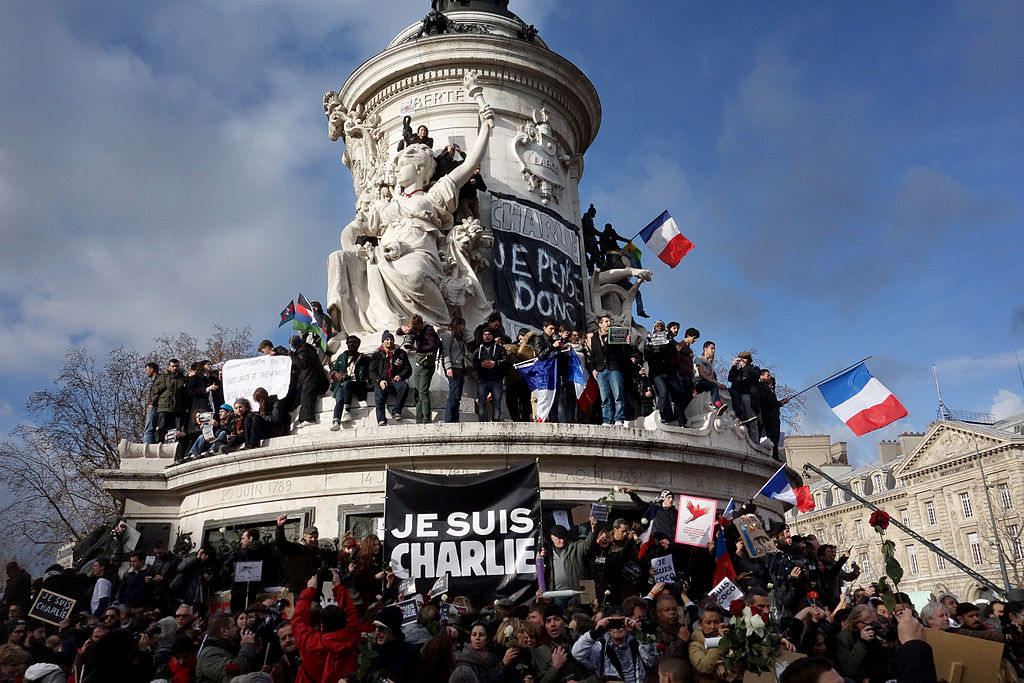
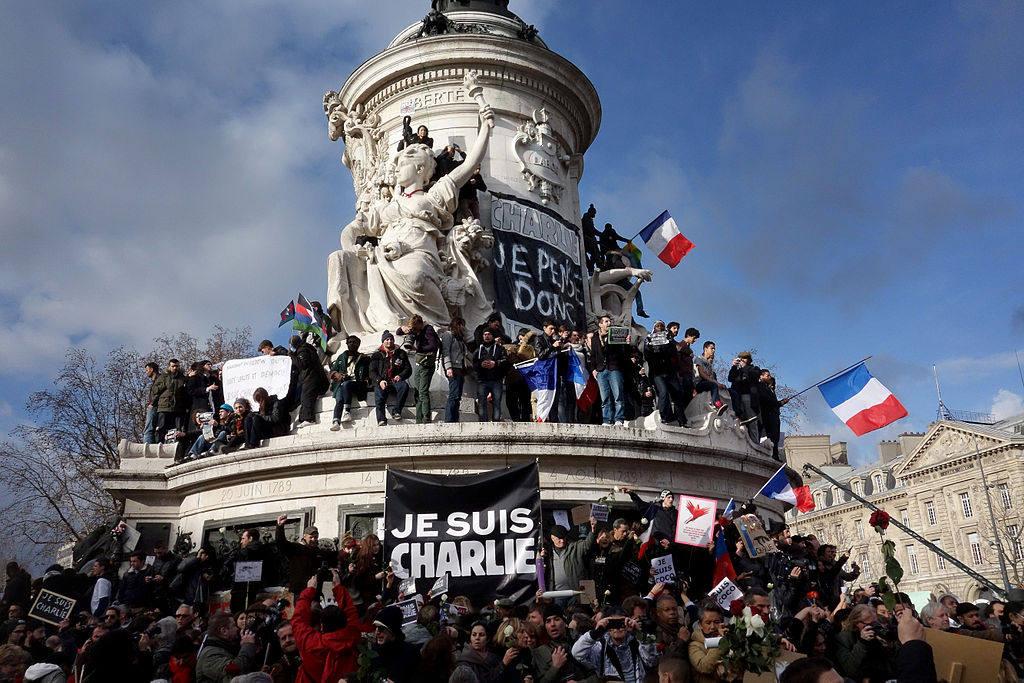
A Paris rally on January 11, 2015, after the Charlie Hebdo attack, featuring “Je Suis Charlie” signs. (Image source: Olivier Ortelpa/Wikimedia Commons)

Not well, if a test of the magazine’s wellbeing is whether it would be willing to repeat the “crime” for which it was attacked. Six months after the slaughter, in July 2015, the new editor of the publication, Laurent Sourisseau, announced that Charlie Hebdo would no longer publish depictions of the Prophet of Islam. Charlie Hebdo had, he said, “done its job” and “defended the right to caricature.” It had published more Muhammad cartoons in the issue immediately after the mass murder at their offices and since. But, he said, they did not need to keep on doing so. Few people could have berated him and his colleagues for such a decision. When just about every other magazine in the free world fails to uphold the values of free speech and the right to caricature and offend, who could expect a group of cartoonists and writers who have already paid such a high price to keep holding the line of such freedoms single-handed?

Now, at the second anniversary of the atrocity, one of the magazine’s most prominent figures, Zineb El Rhazoui, has announced that she is leaving the magazine. El Rhazoui, who has been described as “the most protected woman in France” because of the security detail she receives from the French state, has announced that Charlie Hebdo has gone “soft” on Islamic radicalism. She told Agence France-Presse that “Charlie Hebdo died on [7 January 2015].” The magazine had previously had a “capacity to carry the torch of irreverence and absolute liberty” she said. “Freedom at any cost is what I loved about Charlie Hebdo, where I worked through great adversity.’

Of course, El Rhazoui is an unusual person. And a scarce one in twenty-first century Europe. Which is why she needs the security detail. Most of the people who said they cared about the right to say what they wanted when they wanted, about everything and anything — including one particularly stern and unamused religion — were willing to walk the walk: that is, they were willing to walk through Paris with a pencil in the air. Or they were willing to talk the talk, proclaiming “Je Suis Charlie.” But almost no one really meant it. If they had, then — as Mark Steyn pointed out — those crowds in Paris would not have been parading through the streets holding pencils, but holding cartoons of Mohammed. “You’re going to have to get us all” would have been the message.

And ditto the leaders. If President François Hollande and Chancellor Angela Merkel had really believed in standing up for freedom of expression, then instead of walking arm-in-arm through Paris together with such an inappropriate figure as Palestinian Authority leader Mahmoud Abbas, they would have held up covers of Charlie Hebdo and said: “This is what a free society looks like and this is what we back: everyone, political leaders, gods, prophets, the lot can be satirised, and if you do not like it then you should hop off to whatever unenlightened hell-hole you dream of. But Europe is not the continent for you.”

Instead, in the two years since those gestures, European society went quiet. Of course, there have been regular opportunities to display the modern idea of virtue, often using Charlie Hebdo as the punching bag. Since being alerted to the existence of the magazine by the gunmen, the censorious types who now fill our societies (and who probably do not even buy or read magazines) nevertheless regularly send out social media messages objecting to things to which they have been alerted within the magazine.

So it is that a rude and satirical magazine has found itself repeatedly judged by the humourless morality police of our day and often deemed to be insufficiently reverential about various world events. A Charlie Hebdo cartoon about the Cologne New Year’s Eve sexual assaults was deemed in poor taste. Elsewhere, the publication’s response to an earthquake in Italy failed to hit the single acceptable note in the eyes of some non-readers. Likewise the crash of a Russian jet and other stories that were considered to lack appropriate piety.

Meantime, we are in a situation, as the British author Kenan Malik said of the period after the Satanic Verses affair, of having “internalised” the atrocity. The entire world press — perhaps especially, in free countries — has internalised what happened at Charlie Hebdo, and instead of standing united has decided, quietly and in the privacy of their own offices, never to risk something like that ever happening to them again. This new submission to Islamist terrorist demands is possibly why, in 2016, when an athlete with no involvement in politics, religion or satire was caught doing something that might have been seen as less than fully respectful of Islam, there was no one around to defend him. Even the British Prime Minister, Theresa May, asked in the House of Commons to stand up for the right of an athlete not to have his career destroyed because of one fleeting, drunken joke, equivocated:

“This is a balance that we need to find. We value freedom of expression and freedom of speech in this country — that is absolutely essential in underpinning our democracy.

“But we also value tolerance to others. We also value tolerance in relation to religions. This is one of the issues that we have looked at in the counter-extremism strategy that the Government has produced.

“I think we need to ensure that yes it is right that people can have that freedom of expression, but in doing so that right has a responsibility too — and that is a responsibility to recognise the importance of tolerance to others.”

For the last two years, we have learned for certain that any such tolerance is a one-way street. Our societies had been walking up it. But from the other direction came the Kalashnikov brigade who only had to fire once; in the face of it, the whole civilised world chose to U-turn and run back the other way. Allah’s blasphemy police would be foolish not to push the advantage that such capitulation gives their cause over the months and years ahead.

Douglas Murray, British author, commentator and public affairs analyst, is based in London, England.
Is the United States Abandoning the Free World? by Nuhu Othman

  • There is great anxiety among Africans who are peace-loving, and who care about democracy and human rights, that after the U.S. presidential election next month, this concern for people who care about democratic values and human rights might stop.

  • The understanding in Africa now is that the United States is showing signs of feeling over-burdened with taking the lead role in world affairs. But the implication of this abdication is immensely dangerous.
  • America no longer looks like the country that extended its soft power to Western Europe, in the form of the Marshall Plan, shortly after the Second World War. Was this the same United States that made its hard power felt to rescue the free world and ensure that it remained free? The stabilizing role of the U.S. is needed now more than ever.
  • We need America’s leadership. There is simply no other free country that can adequately provide it, to maintain peace in the continent. Who will be there for us to “talk softly and carry a big stick,” where and when it is necessary?

A few years ago, a sitting president of Nigeria was accused of condoning corrupt activities, and as a result, the nation lost tens of billions of dollars. When Boko Haram seized an area the size of Belgium in northeastern Nigeria, U.S. President Barack Obama said that the United States would not sell arms to Nigeria because of the Leahy Law, which prohibits the U.S. from providing military assistance to foreign militaries that violate human rights with impunity.

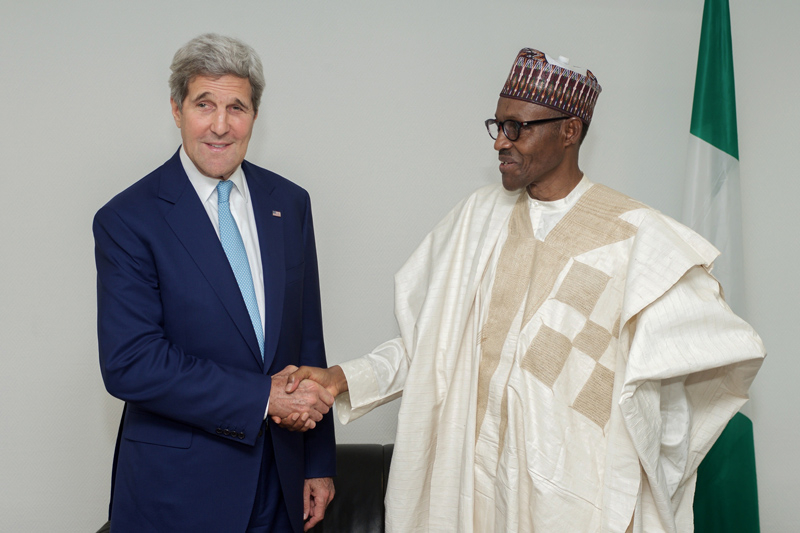
Thankfully, U.S. Secretary of State John Kerry met with the political actors in Nigeria ahead of its 2015 elections, and repeated the position of the United States on the importance of having a peaceful election and transition. This visible concern in no small measure helped in a fair political contest and transition. This is the enviable position of awe in which the United States of America was held.

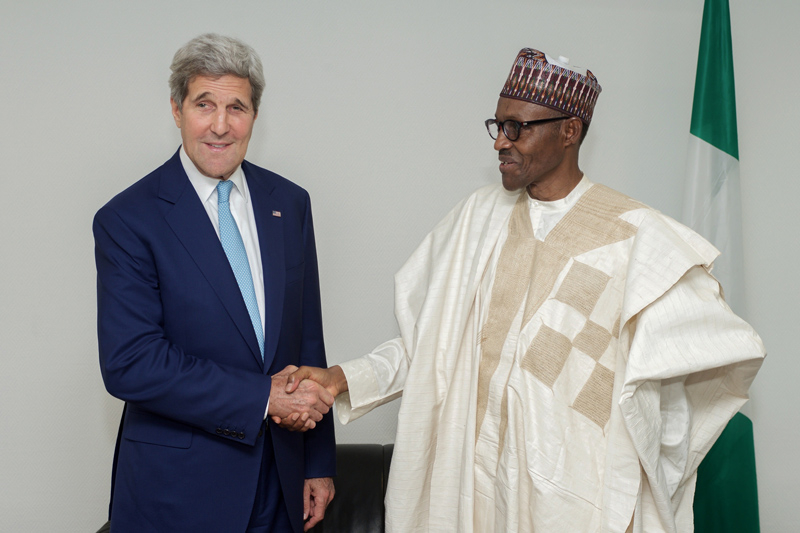
U.S. Secretary of State John Kerry shakes hands with newly sworn-in Nigerian President Muhammadu Buhari in Abuja, Nigeria, on May 29, 2015. (Image source: U.S. State Department)

There is great anxiety among Africans who are peace-loving, and who care about democracy and human rights, that after the U.S. presidential election next month, this concern for people who care about democratic values and human rights might stop. In previous U.S. presidential elections, all the candidates showed their understanding of international relations. The current U.S. presidential campaign, apart from Mexico, Russia or the Clinton emails scandal, has been overshadowed mainly by domestic issues. You hardly hear about Africa.

The present election campaign has sidestepped Africa despite its challenges and opportunities. It is helpful to have the strategic Camp Lemonnier base in Djibouti near the Indian Ocean and the Gulf of Aden to contain and decimate Al-Shabaab in the horn of Africa and to obstruct the movement of arms and sharing of intelligence between Al-Shabaab and Boko Haram (now Islamic State in West African Province). But we also need America’s leadership. There is simply no other free country that can adequately provide it.

The understanding in Africa now is that the United States is showing signs of feeling over-burdened with taking the lead role in world affairs. But the implication of this abdication is immensely dangerous. Such a posture means that when regional organizations such as the African Union, ECOWAS etc. fail, for any reason, to maintain peace in the continent, whom do we look up to? Who will be there for us to “speak softly and carry a big stick,” where and when it is necessary?

The ongoing political developments in the U.S. are being keenly observed with even more than the mixed feelings that greeted Brexit. Brexit felt like an exit by a powerful member from an interest club, where its interests were not well-defined, safeguarded or guaranteed. The political trend in the U.S. seems like a call to the leadership and the citizenry to look again the list of its friends and adversaries with a view to pruning it. But most importantly to take on lesser role as a leader of world affairs — to become less collaborative and have fewer partnerships.

America no longer looks like the country that extended its soft power to Western Europe, in the form of the Marshall Plan, shortly after the Second World War. Was this the same United States that made its hard power felt to rescue the free world and ensure that it remained free? A country that closed ranks about eight years ago to elect an American of African descent as the president should be succeeded by a leader who understands that the stabilizing role of the U.S. is needed now more than ever.

Regardless of who emerges as the next U.S. president, Africa will wish to see that the revalidation of the African Growth and Opportunity Act (AGOA), which has been extended until September 30, 2025, is not just mere rhetoric. Africa will wish to see, for example, that the garment trade agreement becomes all-encompassing, as happened during the presidency of George W. Bush, which doubled the size of the Traffic Quota Rate (TRQ) applicable to duty-free apparel exports. This considerably helped the countries of Namibia and Botswana. With oil prices on a downward trend, there is no better time for Africa to diversify its exports, and all the more reason why bilateral deals such as the Bi-National Commission between Nigeria and United States must work. At the heart of this bilateral agreement are security cooperation, economic growth and development, and lastly governance and democracy. It is noteworthy to say that Nigeria has had five uninterrupted election cycles since 1999; the same is true in many parts of Africa. We are trying to make sure that Africa will fast be democratizing.

Therefore a country like the United States, which that has a distilled vision of freedom, should not find it difficult electing a leader that will dovetail such vision with the needs of the African continent.

Nuhu Othman is a Senior Consultant at Atta Zubairu & Associates, Abuja, Nigeria.

Is the Pope Ending Catholic Anti-Semitism? by Susan Warner

  • “Nostre Aetate,” released in 1965, called for friendship and dialogue between Catholics and Jews, instead of the centuries-long repudiation of Jews by Catholics; St Joseph’s University became the first to respond by establishing the Institute for Jewish-Catholic Relations. Is Pope Francis picking up where Pope Paul VI left off?


  • Can Pope Francis’ hopes and dreams for reconciliation of Catholics and Jews override some unfortunate but pressing realities, such the Church’s desire to placate the Palestinians?

  • If Pope Francis is serious about a “journey of friendship” with the Jewish people, perhaps he would not be so quick to approve President Obama’s Iran nuclear deal in the name of a hoped-for peace that will most certainly ignite an unhoped-for war between Iran and Israel.

  • By assisting the UN in establishing the “sustainable development platform,” the Pope is offering his permission to the UN — one of the most anti-Semitic, anti-Israel bodies on the face of the earth — to usurp power on behalf of a shared utopian agenda. Sustainable development notwithstanding, the UN should be encouraged to clean up its own house before it tries to clean up the world.

A lot of water as passed under the bridge between Catholics and Jews in the past 1800 years or so. Most of it has been polluted by the evils of anti-Semitism perpetrated by the Catholic Church against the Jews of Europe, starting with the earliest published Christian writings by the early ante-Nicene Church Fathers, such as Tertullian. His document “Judeos Adversos” has stood for centuries as one of the key church position papers against the Jews.

During those seemingly endless centuries, the Catholic Church continuously demonized the Jews, stripped them of their livelihoods, and frequently their lives.

In the Catholic mindset, the Covenant that God made with the Jews had been replaced by the Church as God’s new “chosen people.”[1] God no longer had any use for the Jews, and theChurch vowed never to let them forget it.

Then in 1965, under the leadership of Pope Paul VI, the document “Nostre Aetate” was presented to the world as part of an overhaul of the Catholic Church known as the Second Vatican Council, or more popularly, Vatican II. “Nostre Aetate” was one of the most significant documents to emerge from the period. Designed to heal the relationship between the Catholics and the Jews, it was to be a total reset of the Catholic-Jewish relationship — at least on paper.

“Nostra Aetate, the 1965 Declaration on the Church’s Relationship to Non-Christian Religions was one of the most influential and celebrated documents issued by the Second Vatican Council, a gathering of the world’s Catholic bishops. In particular it made possible a new and positive relationship between Jews and Catholics.”[2]

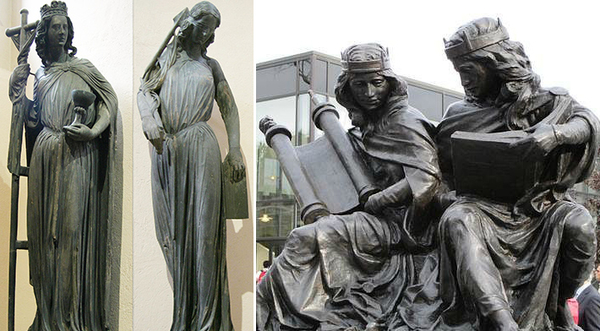
Since the thirteenth century, one prominent symbol pointing to the Catholic animus against the Jews was a sculpture entitled “Ecclesia et Synagoga.” The original version of this allegorical stone sculpture was carved for the Gothic Cathedral in Strasbourg, France. It consists of two elegant female figures, one representing a victorious Church, “Ecclesia,” and the other representing the defeated Jew, “Synagoga.”

Replicated hundreds of times in the famed Gothic cathedrals of Europe, the sculpture presented the figure of Synagoga sometimes blindfolded, representing the Jews as “spiritually blind.” Some sculptures and murals depicted Synagoga with a fallen crown and a broken scepter, with a severed goat’s head or with a demon — all allegorically representing the vanquished Jews.

In all of its sordid variations, the image was revered as an honored visual symbol of the understanding of the relationship between triumphant Christianity and defeated Judaism. The two figures symbolized the Catholic Church’s theological position, often called “supersessionism” or “replacement theology.” According to this theology, the Church has replaced the Jews in God’s view and is now to be celebrated as “the New Israel.” The same theology exists in the Catholic Church today.[3]

After 1965, “Nostre Aetate” provided Catholics with a new opportunity to rethink the worthiness of an ancient theology that bolstered animosity between the two groups. At last, the Catholic Church acknowledged the biblical role of Jewish thought in human history:

“The Church, therefore, cannot forget that she received the revelation of the Old Testament through the people with whom God in His inexpressible mercy concluded the Ancient Covenant. Nor can she forget that she draws sustenance from the root of that well-cultivated olive tree onto which have been grafted the wild shoots, the Gentiles. Indeed, the Church believes that by His cross Christ, Our Peace, reconciled Jews and Gentiles. making both one in Himself. [4]

Pope Francis this week dedicated a new version of this ancient sculpture, which now installed at St. Joseph’s University, in the plaza near the University Chapel.

“Ecclesia et Synagoga”: The original 13th century sculptures from the Strasbourg Cathedral (left), and a recent example from St. Joseph’s University in Philadelphia (right) that Pope Francis blessed this week.

According to Phillip A. Cunningham, Director of the Institute for Jewish-Catholic Relations at St. Joseph’s University:

The new sculpture employs Synagoga and Ecclesia rendered with nobility and grace, to bring to life the words of Pope Francis: “Dialogue and friendship with the Jewish people are part of the life of Jesus’ disciples. There exists between us a rich complementarity that allows us to read the texts of the Hebrew Scriptures together and to help one another mine the riches of God’s word.” The work will depict the figures enjoying studying each other’s sacred texts together.

When “Nostre Aetate” was released in 1965, it called for friendship and dialogue between Catholics and Jews, instead of the centuries-long repudiation of Jews by Catholics; St Joseph’s University became the first to respond by establishing the Institute for Jewish-Catholic Relations and now, five decades later, commissioning the memorial sculpture by Philadelphia artist Joshua Koffman, and hosting the Pope for this remarkable event.

Hundreds of Jews and Catholics from around the region assembled to hear the Pope speak.Rabbi Abraham Skorka, Pope Francis’ close friend, came from Argentina to speak at the dedication ceremony. Event co-sponsors gathered from Philadelphia’s Catholic and Jewish organizations: The archdiocese of Philadelphia; the World Meeting of Families; American Jewish Committee; The Greater Philadelphia Board of Rabbis; Jewish Federation of Greater Philadelphia and the Anti-Defamation League.

The new sculpture “will vividly convey what Pope Francis has called the ‘journey of friendship’ that Jews and Catholics have experienced in the past five decades,” says professor and Institute Assistant Director Adam Gregerman. “We are looking forward to area Jews and Catholics coming together to celebrate the remarkable rapprochement that is occurring.”

Are we actually realizing the moment when the end of Catholic anti-Semitism shall finally be realized? Is this reality in line with Pope Paul VI’s dream of “Nostre Aetate?” Is Pope Francis picking up where Pope Paul VI left off?

The question lingers: Can Pope Francis’ hopes and dreams for reconciliation of Catholics and Jews override some unfortunate but pressing realities, such the Church’s desire to placate the Palestinians?

At least four trouble spots need to be addressed before the Pope can complete his sought-after “journey of friendship” between Jews and Catholics:

1. The first squeamish issue is the universality of the current Catholic teaching of supersessionism or “replacement theology.” If the Catholic Church is still claiming to be “The New Israel,” there is no room on the planet for a Jewish Israel. Under this unfortunate and false teaching, the Jewish people, the Jewish religion and the Jewish nation are only valid if the Jews convert to Catholicism.[5]

2. If Pope Francis is serious about a “journey of friendship” with the Jewish people, perhaps he would not be so quick to approve President Obama’s Iran nuclear deal in the name of a hoped-for peace that will most certainly ignite an unhoped-for war between Iranian proxies, Iran and Israel.

3. By prematurely, preemptively and unilaterally recognizing Palestine as a state, he selected some very unfortunate timing — on the anniversary of Israel’s declaration of independence, called Nakba Day [“Catastrophe Day”] by Palestinians — for his attempt to destroy and supplant the Jewish state.

This was a theft of Israel’s hopes for a legitimate negotiated peace settlement and an insult to Israel in the international arena. The Pope robbed Israel of a vital negotiating position. He robbed them of their international standing, and gave the Palestinians another legitimate pathway to act on their vow to destroy Israel. As one of the most prestigious leaders in the world, the Pope’s unilateral action was a kick in the teeth for Israel and hardly the “journey of friendship” he claims to desire.

4. By collaborating with — and even assisting — the United Nations in establishing the “sustainable development platform,” the Pope is freely offering his permission to the UN — one of the most anti-Semitic, anti-Israel bodies on the face of the earth — to usurp power on behalf of a shared utopian agenda. “Sustainable development” notwithstanding, the United Nations should be encouraged to clean up its own house before it tries to clean up the world.

Pope Francis has been in his office only since 2013. During this short time, he has managed to straddle both sides of a very dangerous divide — between the Jews and Israel on one side and on the other, their Islamist neighbor nations that daily vow to annihilate all Jews along with their state.

For an average person, this might seem less like a “journey of friendship” and more like a pathway to war.

Susan Warner is a Distinguished Senior Fellow of Gatestone Institute and co-founder of a Christian group, Olive Tree Ministries in Wilmington, DE, USA. She has been writing and teaching about Israel and the Middle East for over 15 years. Contact her at israelolivetree@yahoo.com.


[1] The actual quote from the conclusion of a teaching from “The Church = The New Israel“: “So to sum up, the Catholic Church is the Kingdom of God on earth, the new Israel (Jesus said in Matthew 21:43 that he was taking the Kingdom away from Israel, and giving it to a nation that will produce the fruits of it – namely, the Catholic Church), and is modeled after David’s Kingdom, with a huge temple (the Vatican), a prime minister (our Pope), a sacred tabernacle containing the Ark of the Covenant (our tabernacle containing the Eucharist), officers who take care of the kingdom (our Cardinals and bishops), high priests (our priests), a Passover Meal (our Eucharist), and a Queen Mother (The Blessed Virgin Mary).”

[2] This document was published expressly as an education device to the study of the 50thAnniversary of Nostre Aetate by the Council of Centers on Jewish Christian Relations.

[3] This quote is from a current teaching from “The Catholic Knight” but is available from many other sources. “Where does this put the Church in relation to the rest of the Jewish people? Simply put, we (the Church) are Zion! We are Israel! That is what it explicitly says in the New Testament and the Catechism of the Catholic Church. To become complete as a Jew is no different than what it takes to become complete as a Gentile. We all must be “grafted in” to Israel – which is The Catholic Church!”

[4] From the original Nostre Aetate document section 4.

[5] Nostre Aetate was intended to soften the harsh reality of supersessionism or replacement theology in the Catholic Church, which was the cornerstone of Catholic anti-Semitism. However, a simple internet search of today’s Catholic teachings brings up numerous resources that perpetuate this false idea that was generated by the early Church fathers and became part of the founding documents under the Emperor Constantine in 325 CE. Sometimes the concept is quite blatant and sometimes it is subtle, but the idea of the Catholic Church as the “New Israel” is ubiquitous.

Translate »
Skip to toolbar