
Monthly Archives: June 2017

Mugabe, Kagame: A comparative analysis May 25, 2014 in Editorial Both Robert Mugabe and Paul Kagame are celebrated freedom fighters who gallantly fought their way to leadership of their respective countries after protracted wars.

Mugabe, Kagame: A comparative analysis May 25, 2014 in Editorial Both Robert Mugabe and Paul Kagame are celebrated freedom fighters who gallantly fought their way to leadership of their respective countries after protracted wars.


Sunday Opinion with Farai WT Taderera Mugabe left home for Mozambique to join the liberation war against colonial rule while Kagame started as a high-ranking officer in the Ugandan Army before he left to lead the Rwandan Patriotic Front on its assault against the French- supported Hutu government of his homeland.

Politics The post-genocide transitional government of national unity of Rwanda took office in 1994 headed by Pasteur Bizumungu as president, but only responsible for home affairs, while Kagame was the defacto ruler as both vice-president and minister of defence, with an added
responsibility of foreign affairs.

Later on in the late 1990s Kagame began to publicly disagree with Bizumungu, accusing him of
mismanagement and corruption so much that the president resigned and the Supreme Court appointed Kagame as the Acting-President. He proceeded to appoint a commission
which drafted a new constitution that was approved by referendum in May 2003.

Among its many laws, the new constitution also sought to prevent Hutu or Tutsi hegemony over political power by prohibiting the formation of political parties along any tribal or ethnic lines.

It is this law that Kagame used to silence opposition in his efforts to preserve unity. For example, the Democratic Republic Movement (MDR), the second largest party after
the RPF in the transitional government, was banned after it was found guilty of spreading divisive ideology by a parliamentary commission.

Bizumungu, who had gone on to form an opposition political party which was hounded out of existence, was later arrested and only released by presidential pardon in 2007.

Kagame was elected for his first seven-year term as President in August 1993 according to the new constitution, after silencing and/or co-opting members of the opposition into the RPF.

Currently serving his final second term, allegations abound of his crack teams in pursuit of opposition elements who flee for safety to neighbouring countries in the region.

Kagame appears in no hurry to retire as he scoffs at critics when asked whether he will change the constitution in order to run for a third term. He insists that countries should be left to decide their own destinies and that he was not elected to leave office, but to do
business on behalf of the Rwandans.

Mugabe came to power as Prime Minister in 1980 and seven years later, amended the constitution to make himself President.

In pursuance of his quest to create a one-party state, he coerced the only opposition then, Zapu, into his Zanu PF party; a process that was never really consummated at grassroots level despite the official rhetoric and the cosmetic appearance of unity.

Since then general elections have been religiously held, with the outcome always in his favour,
especially from the year 2000 with the advent of formidable opposition from the Movement for Democratic Change (MDC) led by trade unionist Morgan Tsvangirai.

Any talk of regime change is viewed as treasonous despite the fact that, that is what elections are all about; a process to challenge the ruling party and replace it with another through the will of the majority.

The war in the DRC The two were protagonists on either side of the Congo War where Kagame
fought to topple Laurent Desire Kabila while Mugabe defended the Congolese leader.

Human Rights groups and other independent organisations have accused both parties of plundering the host country’s mineral wealth.

Rwanda’s economy is alleged to have directly benefitted, with reports of the creation of the so-called Congo Desk where mining companies were allegedly taxed and minerals sold for
the benefit of Rwanda. In the case of Zimbabwe, it is reported that only senior army and government officials personally benefitted from the plunder.

On the economy Shortly after assuming the Presidency, Kagame launched Vision 2020, an ambitious economic development programme consisting of a list of projects for the government to transform the highly impoverished agro-based economy into a middle income country before the year 2020.

As a result, annual economic growth averaged 8%, Gross Domestic Product (GDP) per capita increased from US$ 567 in 2000 to US$1 592 in 2013.

With 90% of the population in agriculture, Vision 2020 has resulted in the service sector alone
contributing 43,6% of GDP while tourism is the leading foreign exchange earner with 16% of visitorsbeing from outside Africa.

On the business front, the Rwanda Development Board asserts that a business can be authorised and registered in 24 hours; hence the country ranks 52 out of 185 countries
in the world and three out of 46 in sub-Saharan Africa for its overall ease of doing business.

Transparency International ranks it eight out of 47 in sub-Sahara and 66 out of 178 in the world on its corruption index.


On the contrary, Zimbabwe has embarked upon so many economic blueprints, including a Vision 2020 of its own, and even the latest, Zim Asset which is still to be launched with all its attendant shortcomings; this is more than six months after the last elections.

Average annual income has reduced drastically from US$950 in 1980 to below US$400 by the year 2003. One of the earliest development projects, the Economic Structural Adjustment
Programme (Esap), was abandoned midstream.

Even the Land Reform Programme with all its lack of planning, shortcomings and haphazard launch, is still heralded as a monumental success notwithstanding the glaring evidence of food shortages and economic decline.

On a 2010 list of the top 10countries in the world led by Liberia and Mongolia, Transparency
International rated Zimbabwe as thefourth most corrupt.

Conclusion The two men believe they have the divine right to rule until “they have
accomplished their tasks”.

Mugabe will not lift a finger to create the right atmosphere for investment and development of Zimbabwe.

Instead, he looks at such initiatives from a political standpoint; any economic development that takes place must recognise his unfettered rule and comply with programmes
that perpetuate his political life. He has made it known that he is not going anywhere any time soon as he
reserves the right to stand again in 2018.

Kagame on the other hand believes that he is the only one who knows what is good for the people of Rwanda and he has the credentials to prove his point, namely a thriving
economy.He does not see why he should stepdown if he is delivering for hispeople.

The people in turn do appreciate what he has done for them, but believe that at the end of the day, democracy must prevail and he should accordingly pass the baton when his second and final termexpires in 2017.

Mu mpera z’uku kwezi kwa kanama muzumva Radio inyangenews.

Ikinyamakuru inyangenewss.com kiramenyesha abasomyi bacyo yuko,mu mpera z’uku kwezi kwa kanama 2014,kigiye kongera gahunda z’itangaza makuru aho mu giye kumva radio y’inyangenews.com,izajya yumvikana hose ku isi hakoreshejwe ikoranabuhanga rya internet,FM,SHORT WAVE muzajya muyumva aho muri hose.


Tuboneyeho gushimira abasomyi b’inyangenews kuba murushaho kudutera inkunga zanyu mugusoma amakuru tubandikira,kandi igishimishije cyane n’uburyo mwiyongera buri munsi.

Abasomyi b’inyangenews uyu munsi wa none bari hagati y’igihumbi 1500 na 2000 bya buri munsi,ibi bikaba bijyanye na kimwe mubimenyetso bya nyuma by’ingoma ya fpr,musome neza murabona ijambo umwuka w’Uwiteka yatanze ryitwa ANOOWA murabona ibisobanuro byaryo kugirango mu menye ko,iyo radio iri mu mugambi w’Imana.

Muhawe ikaze nta numwe duheje kubifuza kujya batwoherereza amakuru ya audio cyangwa amashusho tuzajya  tuyabashyiriraho nyuma yokujyenzura ko ayo makuru ar’ukuri kubera ko,intasi za satani zikunze kutugerageza kugirango zirebe ko zatwara ubugingo bwacu.

Ndetse zikunze gutanga amakuru y’ibihuha kugirango abasomyi batakarize ikizere ikinyamakuru,niyompamvu mbere byuko tubagezaho amakuru  tubanza kuyakorera ubugororangingo n’iperereza  rihagije kugirango tubashe kubaha umurimo dukora unogere abanyarwanda.

Mu gihe cy’intebe ya bukunzi.

Ku wa 17 Nzeri 2017,Nerekwa Nyir’uRwanda Kigeli V Ndahindurwa,ahungutse avuye mu mahanga aho yaramaze imyaka myinshi cyane.Yaje aherekejwe n’abajyana be bacye cyane batarenze (2). Uburyo yajemo bw’uruburyo butunguranye kuburyo har’intebe ya bukunzi yari mu cyanya cyayo itegereje uyicaraho,maze mbona umwakagara nawe amaze kwitunganya aturutse mu burengera-zuba bw’umurwa mukuru w’uRwanda yerekeza ahaherereye intebe yabukunzi.


Ku wa 17 Nzeri 2017,Nerekwa Nyir’uRwanda Kigeli V Ndahindurwa,ahungutse avuye mu mahanga aho yaramaze imyaka myinshi cyane.Yaje aherekejwe n’abajyana be bacye cyane batarenze (2). Uburyo yajemo bw’uruburyo butunguranye kuburyo har’intebe ya bukunzi yari mu cyanya cyayo itegereje uyicaraho,maze mbona umwakagara nawe amaze kwitunganya aturutse mu burengera-zuba bw’umurwa mukuru w’uRwanda yerekeza ahaherereye intebe yabukunzi.

Nerekwa Nyir’uRwanda nawe azanywe n’inyoni igendera mu kirere ivuza ubuhuha bw’umuduhero,mbona ageze ku kibuga mpunzamahanga cy’ikanombe,ahakurwa n’ikinyabiziga cyimujyana mubuengera-zuba bw’umurwa wa Kigali.bitewe ni uko umwakagara yari yabanje imbere,nerekwa Nyir’uRwanda ikinyabiziga kimutwaye acyivamo ahita agendesha amaguru yerekeza aho intebe yabukunzi iherereye.

Bitewe ni uko umwakagara yari yagiye n’ikinyabiziga,ahura n’uruhurirane rw’ibinyabiziga,maze,atinda mu nzira,bituma Nyir’uRwanda yagiye namaguru amutanga ku ntebe yabukunzi.Nerekwa abambari b’umwakagara bose bakorwa n’isoni mbona rubanda rw’Umwami runejejwe ni uko Nyir’uRwanda asubiye ku ntebe yabukunzi.

Uhereye uwo mwanya abambari b’umwakagara batangiye kuva mu murwa mukuru w’uRwanda batangira gushoka ishyamba bahunga kw’ima ingoma ya Nyir’uRwanda.Habaho amahoro asesuye abanyarwanda babona umunezero bari barabuze nyuma y’igihe kinini cyane.

Maze bahamagarira ingabo zahoze ar’iza fpr,ngo zirinde Nyir’uRwanda ziranga,ako kanya igihugu cy’igihangange ku isi cyohereza ingabo z’abazungu ariko  bo mu bwoko bw’Abirabura,baraza barinda umutekano w’ighugu.Inkotanyi zibonye ko,ingabo zamahanga arizo airinze igihugu kandi ko habonetse umugisha ku gihugu,bose bazira icyarimwe basaba kwinjizwa mu ngabo z’igihugu.

Barakirwa ariko nabonaga bafite icyimwaro cyinshi cyane kuburyo bamaze gushyirwa mu ngabo byarabagoye cyane kwegera Umwami w’uRwanda KIgeli V. Ndahindurwa,cyakora ntacyo yabatwaye kuko yababereye umubyeyi baahinduka abana b’igihugu.

Ku wa 18 Nzeri 2014,Nerekwa umukuru wa fdlr yifashe ku itama,ngo kubera ko,ibyo bari biringiye byose bihindutse impfabusa,numva ijwi ry’Uwiteka rivuga ngo,uko byagenze muri 1945,ngo ninako na nubu bigiye kugenda muri uyu mwaka wa 2014.Ni uko mbona abanyarwanda bari bafite ibyiringiro muri fdlr mbona birangiye uko niko Uwiteka avuze.

Mother of Six Brutally Murdered by Terrorist Inside Her Own Home

A mother of six was the victim of a brutal terror attack Sunday – the 28th fatality since the upsurge of Palestinian violence that began mid-September.


The 39-year-old woman brutally slaughtered in her own home in Judea late Sunday afternoon was identified as Dafna Meir, a mother of six, including two foster children, ages 4 to 17.

Meir was also a dedicated nurse at Soroka University Medical Center in Be’er Sheba.

“In the name of all Israelis, I want to give strength to all the children of the family. All of us are hurting and share in the painful grief. We will find the terrorist, and he will pay the full price for this heinous murder,” Prime Minister Benjamin Netanyahu stated on his Facebook page.

The Palestinian terrorist broke into her home and stabbed her to death in the presence of one of the children; two others were at home as well. First responders tried in vain to save her life.
“It was a difficult sight,” said Noam Bar, a senior Magen David Adom (MDA) paramedic. “We saw a woman, about 40 years old, unconscious, not breathing and without a pulse. She had penetration wounds in her upper body. We performed prolonged resuscitation attempts.”

The terrorist was an employee in the small Jewish community and this enabled him to enter Otniel and carry out the barbaric attack.

The funeral will take place Monday morning at Har Hamenuchot cemetery in Jerusalem.

As of Sunday night, the search is still continuing for the terrorist. The community remains in lockdown.

“We will not rest until we settle accounts with the terrorist, wherever he is,” Defense Minister Moshe Ya’alon declared. “Today’s murder at Otniel teaches us yet again what a cruel enemy we are up against.”

By: Terri Nir, United with Israel

More Palestinian Empty Threats This Time on Security Coordination by Khaled Abu Toameh

  • For Abbas, security coordination with Israel is indeed “sacred”: it keeps him in power and stops Hamas from taking over the West Bank.

  • Abbas cannot tell his people that security coordination with Israel is keeping him on the throne. That is a topic for Israeli ears only.
  • So what are the threats to end security cooperation about? Money. Here is Abbas’s take-home to the world: “Send more money or we will cut off security cooperation with Israel.”
  • Halting security coordination with Israel would spell both his end and that of the PA in the West Bank. The international community is simply hearing a new version of the old bid for yet more political concessions and yet more cash.

The Palestinian Authority’s endless threats to suspend security coordination with Israel are a carefully crafted bluff designed to extort more funds from Western donors, scare the Israeli public and provide a cover for its refusal to talk peace with Israel.

Many Palestinians say these threats are also intended for “internal consumption” — namely to appease Hamas and other radical factions and to refute charges that the Palestinian Authority (PA) is betraying its people by “collaborating” with Israel.

Hamas has conditioned “reconciliation” with President Mahmoud Abbas’s ruling Fatah faction in the West Bank on Fatah ending all forms of security coordination with Israel. Hamas claims that the security coordination is directed mostly against its members and supporters in the West Bank.

Over the past several years, PA security forces have rounded up hundreds of Hamas men in an attempt to prevent the Islamist movement from establishing bases of power in the West Bank.

Hardly a week has passed during the past few months in which a senior Palestinian Authority official does not threaten to cut off security ties with Israel. Some officials in Ramallah have even claimed that the PA has already taken a decision to suspend not only security coordination with Israel, but also political and economic relations as well.

PA officials are saying that their threats, which until now have been so much dust in the wind, will be realized next month.

“April is going to be the turning point,” declared Jamal Muheissen, member of the Fatah Central Committee. “This is a month that will witness changes with regards to several issues that can no longer be delayed or marginalized. April will witness the complete and public suspension of security coordination [with Israel]. This will be the first step taken by the Palestinian leadership.”

This sounds curiously familiar: nearly a year has passed since leaders from the Palestinian Authority and Fatah first announced their decision to halt all forms of security coordination between the PA and Israel.

Meeting in Ramallah last month, the leaders once again reaffirmed their decision. This time, it is allegedly Israel’s “failure to honor all signed agreements with the Palestinians” that prompts them to suspend security coordination.

U.S. Vice President Joe Biden was reportedly informed of this intention earlier this month while visiting Ramallah.

But Biden is not the only Western leader to be privy to this threat. Palestinian sources say that foreign dignitaries and leaders who visit Ramallah have become accustomed to hearing Abbas and other Palestinian leaders announce their “intention” to suspend all relations with Israel, including security coordination.

Moreover, the PA recently leaked to the Palestinian media that it has officially notified Israel of its decision to “limit” all relations with it. According to the unconfirmed report, President Mahmoud Abbas dispatched three senior officials — General Intelligence Chief Majed Faraj, Preventive Security Chief Ziad Hab Al-Reeh and PA Minister for Civilian Affairs, Hussein Al-Sheikh — to a meeting with Israeli officials to brief them about the reported decision.

The Palestinian street, however, takes a different view of these threats. The reports, they say, call to mind President Abbas’s incessant threats to resign.

These Palestinians consider the threats a smokescreen to conceal the continued security coordination with Israel which, they say, seems even to have increased in recent months. They say that President Abbas can probably fool Western leaders with these threats, but not his people, who have become used to hearing empty threats from their leaders.

A senior Fatah official in Ramallah summed up the Palestinian Authority’s dilemma: “We are facing a complicated crisis. If we carry out the threat [to suspend security coordination with Israel], we will suffer; similarly, if we don’t we will suffer.”

The situation, however, is not all about money: it is also about power. President Abbas and his security chiefs know perfectly well that the security coordination benefits them first and foremost. They are well aware that without Israel’s help, Hamas would spread in the West Bank like a cancer, ultimately overthrowing the PA and replacing it with another Islamist regime like the one in the Gaza Strip.

It is helpful to remember Abbas’s moment of lucidity, when in 2014, in front of a visiting Israeli group, he declared that security coordination with Israel was “sacred.” He added: “We will continue with it even if we differ on political matters.”

For a change, Abbas was being honest. And he is right. For Abbas, security coordination is indeed “sacred”: it is keeping him in power and stopping Hamas from taking over the West Bank. Hence the security coordination — in Abbas’s words — is very important for the Palestinian Authority – perhaps more than thwarting Hamas terror attacks against Israel.

Abbas has a problem. He cannot tell his people that security coordination with Israel is what is keeping him on the throne. The sacredness of security coordination is a topic for Israeli ears only.

So what are the threats about? Money.

Here is Abbas’s take-home to the world: “Send more money or we will cut off security cooperation with Israel.” And now there is a little added value, messaged mostly to the U.S. and EU: Convene an international conference for “solving” the Israeli-Palestinian conflict, or we will cut off security cooperation with Israel.
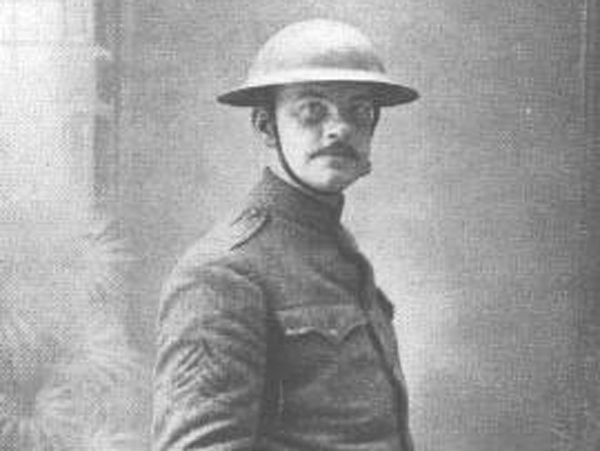
Abbas to the world: “Send more money or we will cut off security cooperation with Israel.”
Left: Palestinian Authority President Mahmoud Abbas with French President François Hollande. Right: Abbas with top European Union officials Federica Mogherini and Jean-Claude Juncker.

Whatever else he is, Abbas is not suicidal. Halting security coordination with Israel would spell both his end and the end of the Palestinian Authority in the West Bank. What the international community is hearing, then, is nothing more than a new version of the old bid for yet more political concessions and yet more cash.

Khaled Abu Toameh, an award winning journalist, is based in Jerusalem.
Translate »
Skip to toolbar